Knowledge Base
Blog
Commercial truck guides, maintenance tips, and industry insights for semi truck owners and fleet managers.
Commercial truck guides, maintenance tips, and industry insights for semi truck owners and fleet managers.
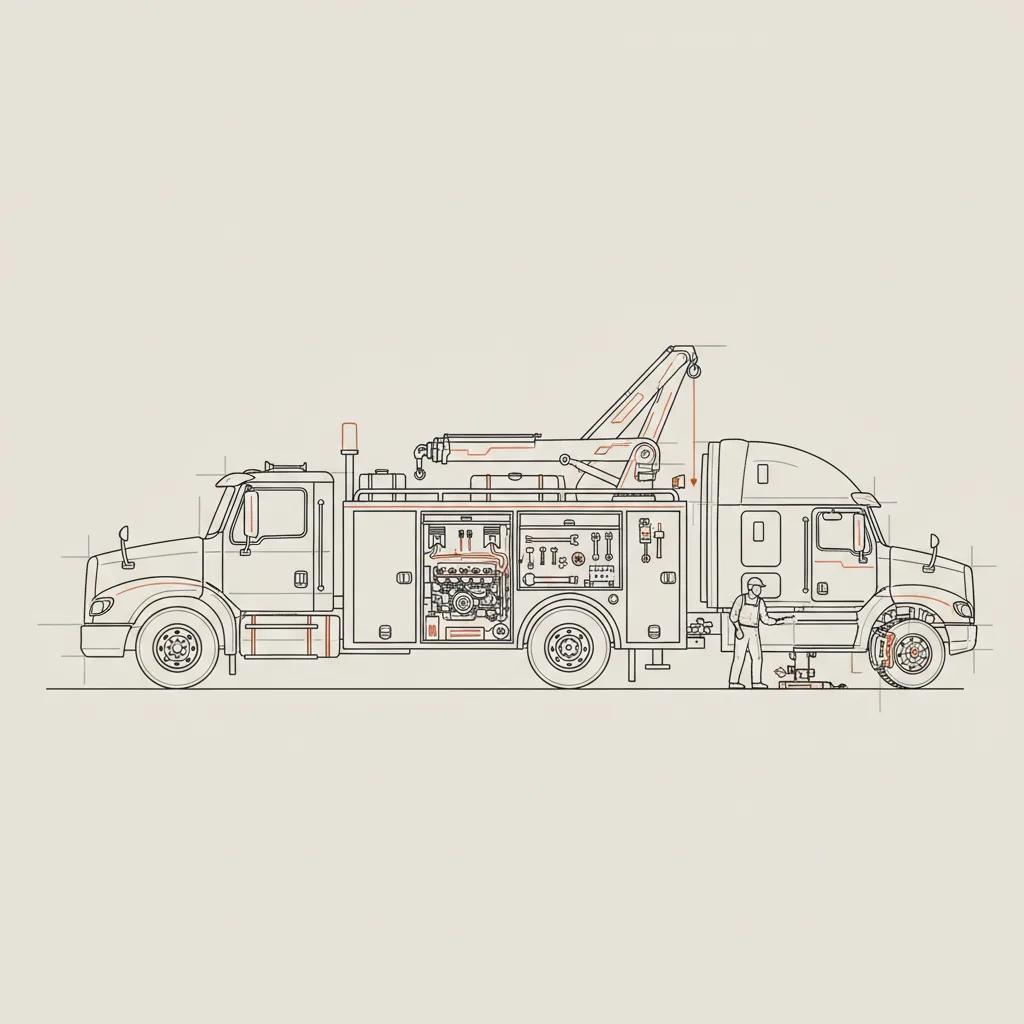
A practical buyer's guide to choosing a mobile truck repair service in Sacramento: what to look for, questions to ask, and how to vet response and parts capability.
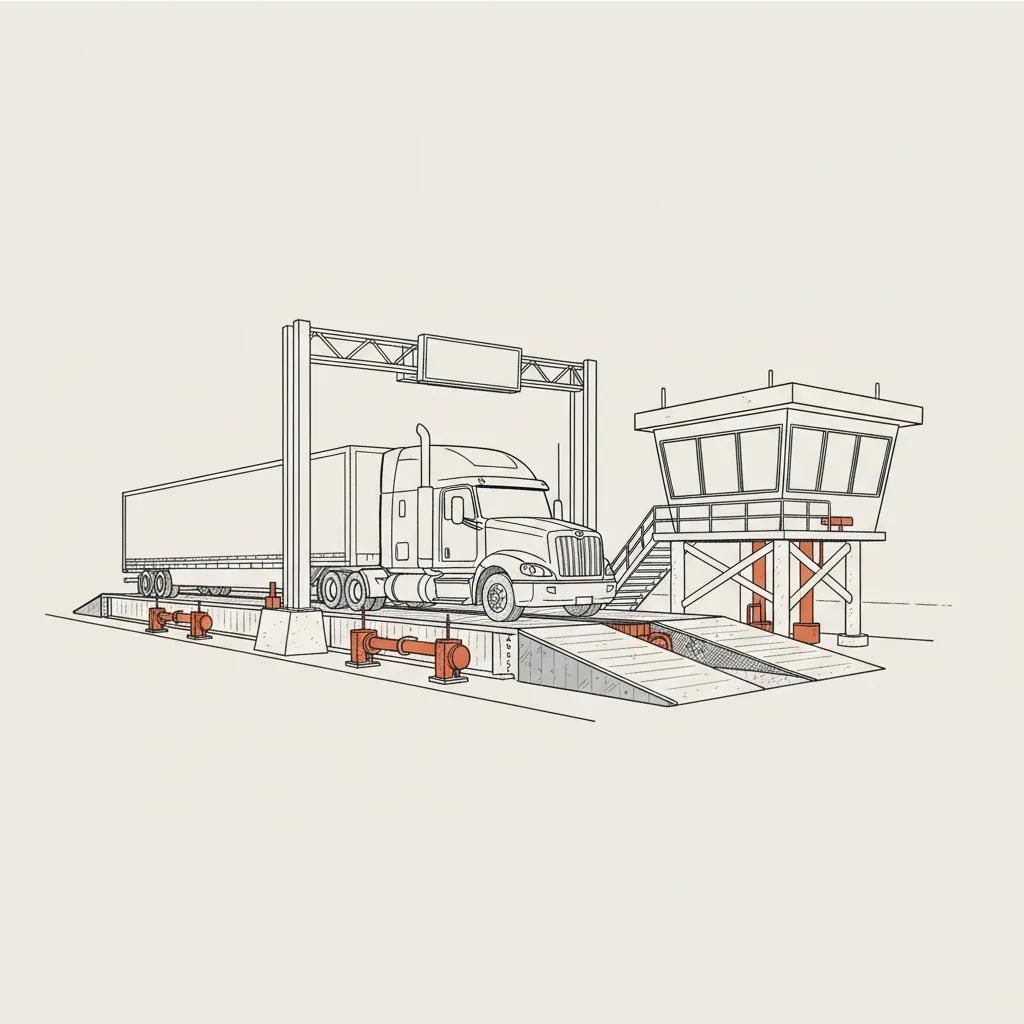
What triggers a roadside inspection at a Sacramento weigh station, the most common out-of-service items, and how owner-operators and fleets stay compliant on I-5, I-80, US-50, and CA-99.
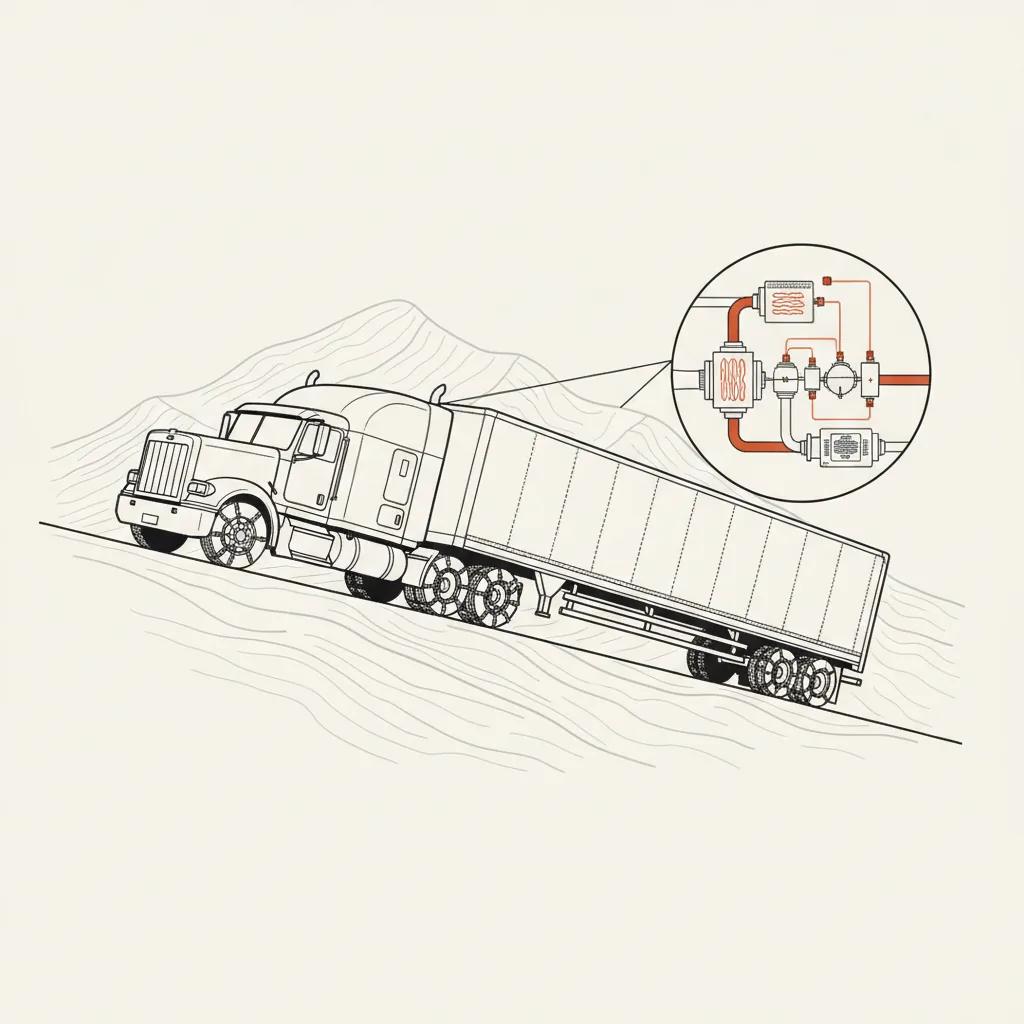
Crossing I-80 over Donner Summit in winter punishes unprepared trucks. Here's how to prep chains, air systems, fuel, batteries, and brakes before you climb the Sierra.
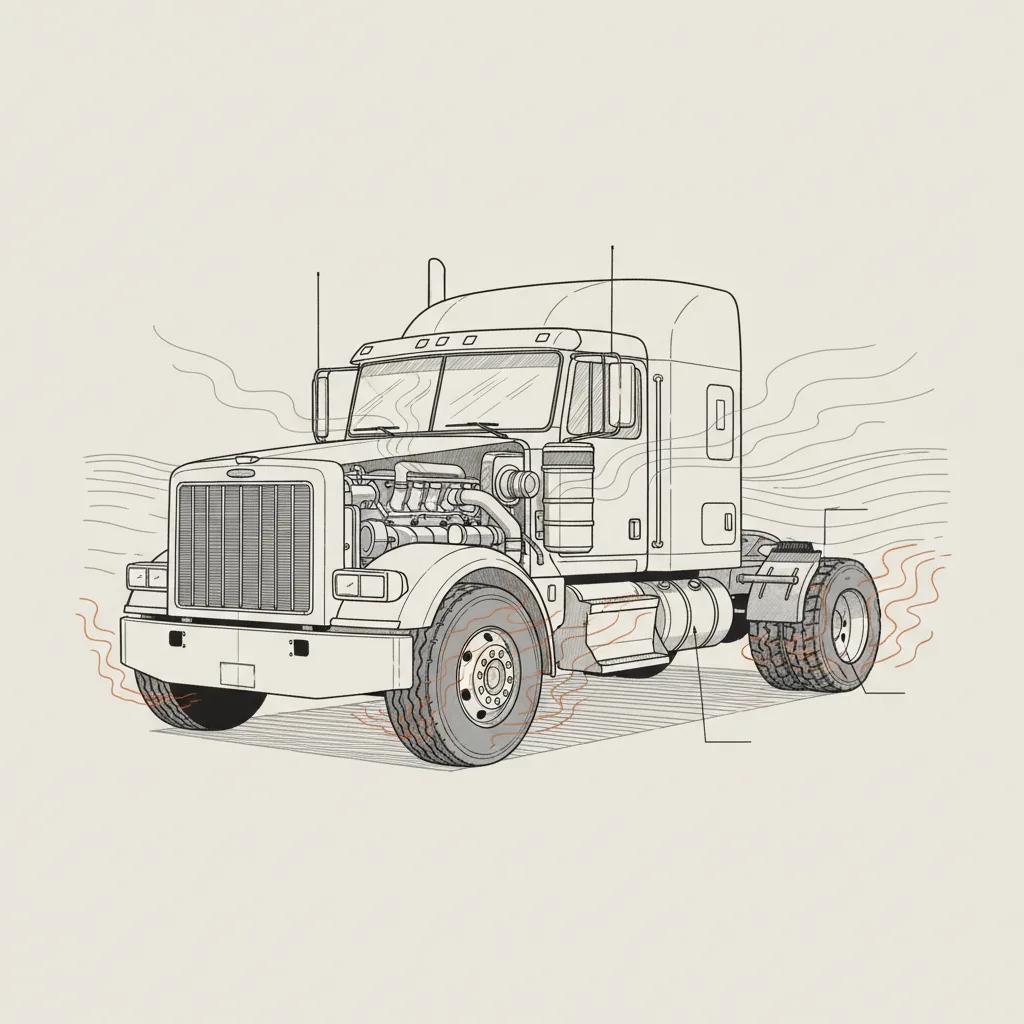
Triple-digit Sacramento Valley heat pushes cooling systems, tires, batteries, A/C, and DEF to the edge. Here's what fails on I-5, I-80, and CA-99 in summer and how to prevent it.
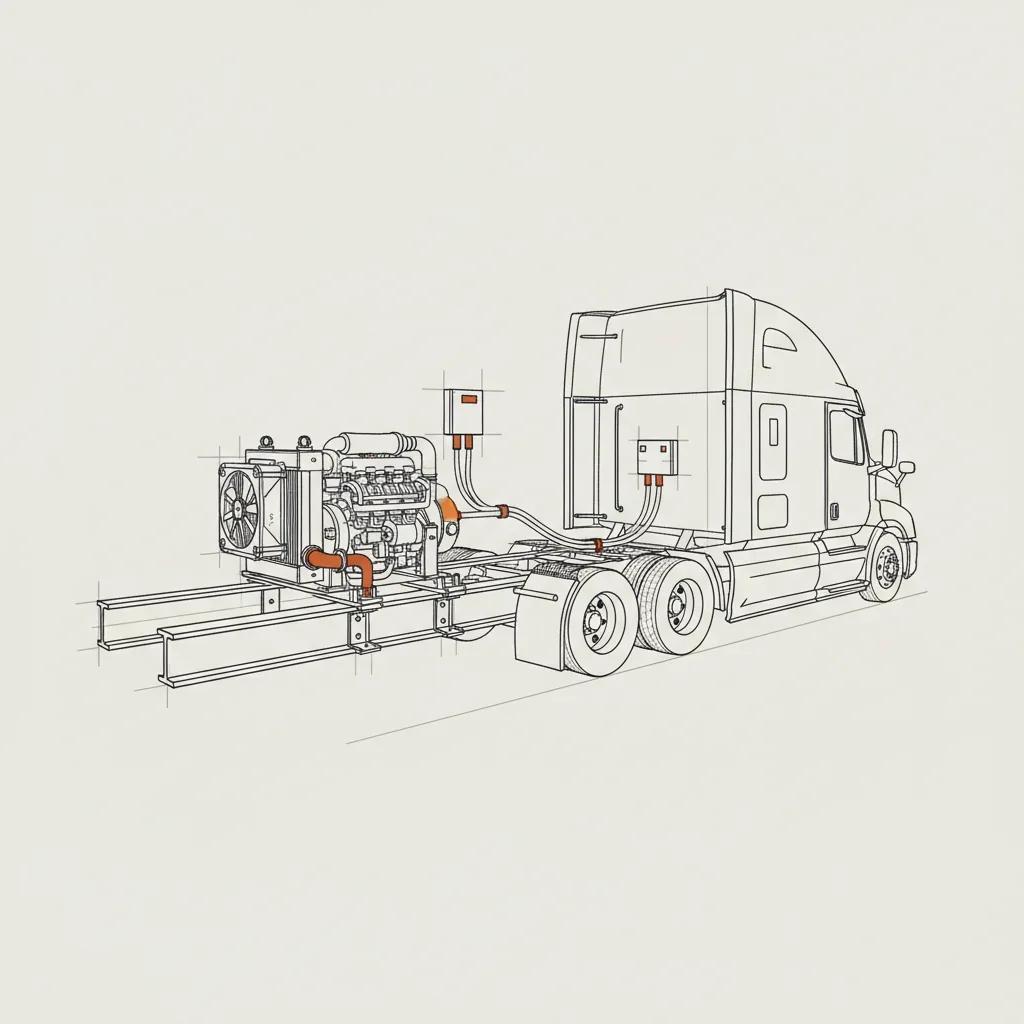
An auxiliary power unit keeps your cab comfortable without idling the main engine. Here's how to maintain an APU, spot common failures early, and know when APU repair is the smart call.
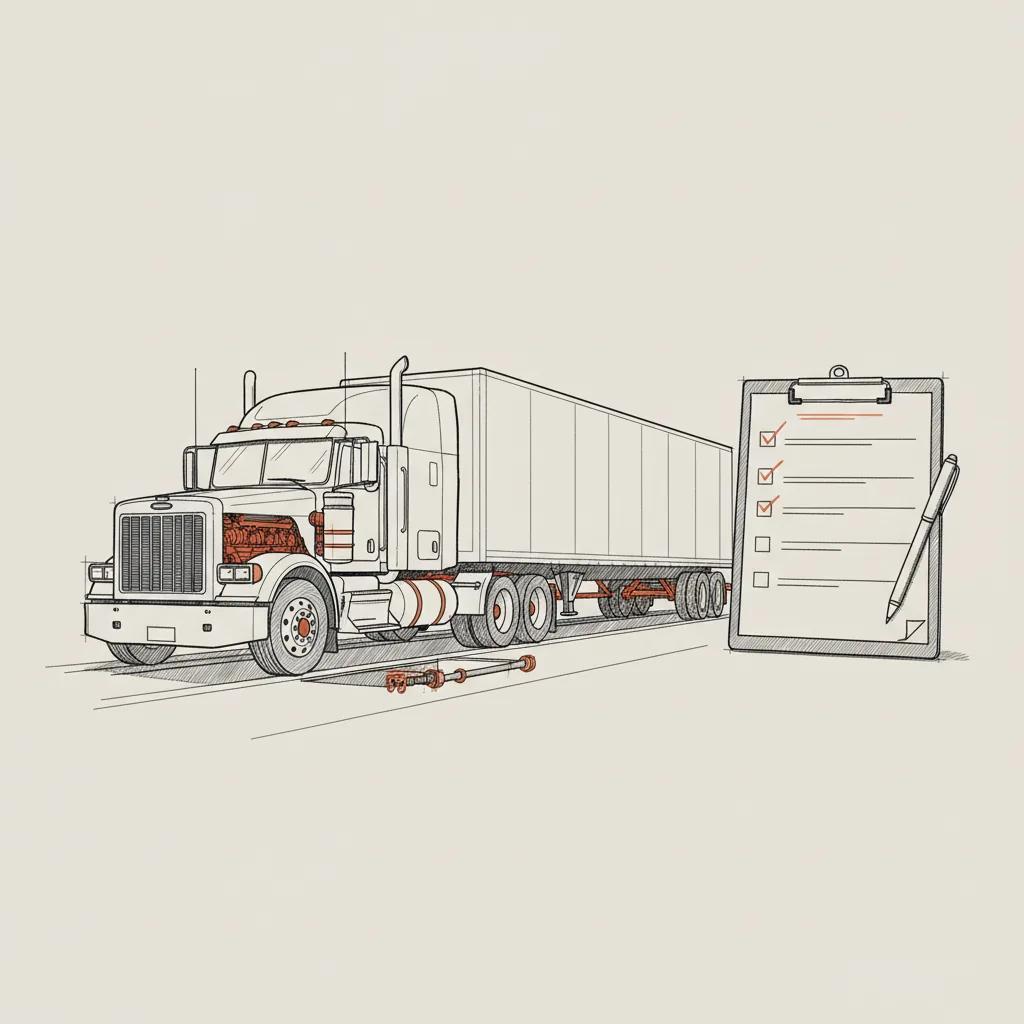
The DOT annual inspection is the FMCSA-required yearly check of brakes, steering, lights, tires, frame, coupling, and exhaust. Here is how to prep your truck or trailer and pass on the first try.
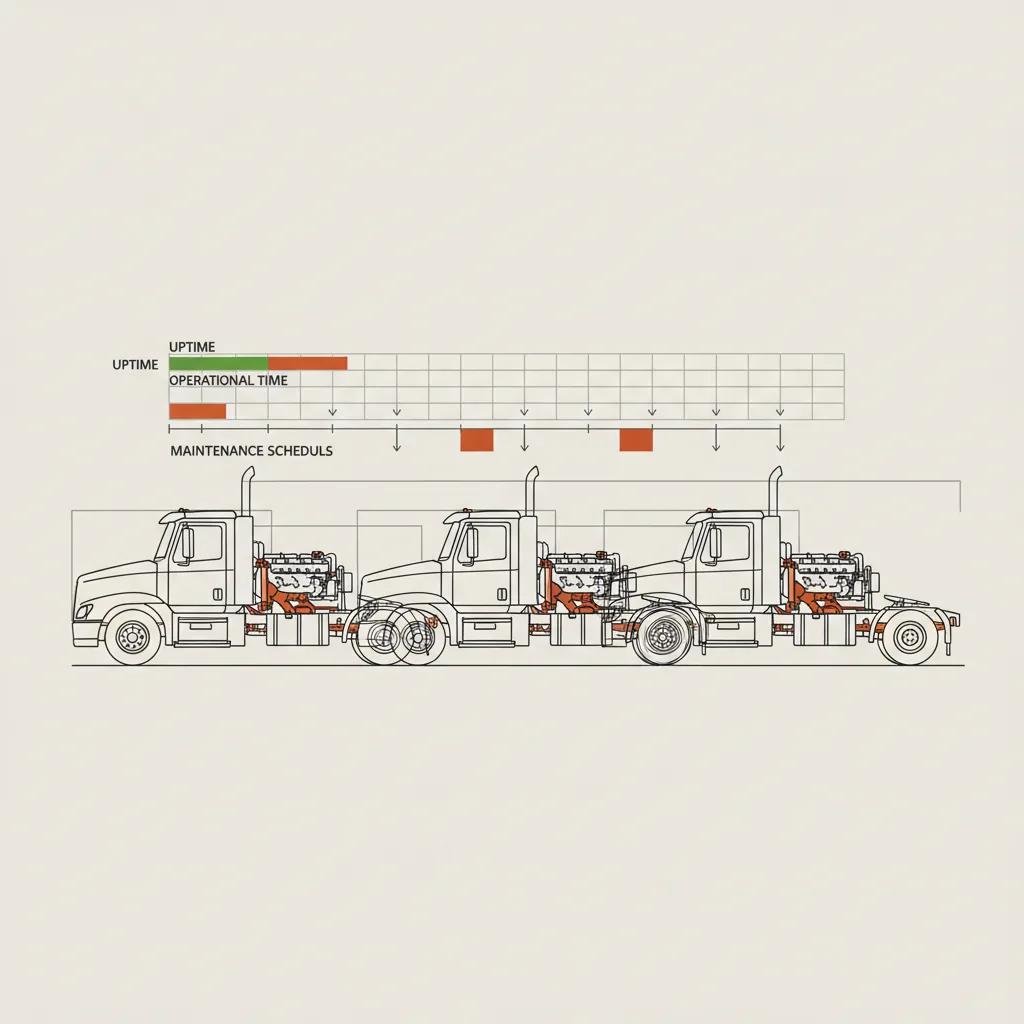
Practical strategies to reduce fleet downtime: preventive maintenance, fault-code monitoring, faster repair response, and smarter driver inspections.
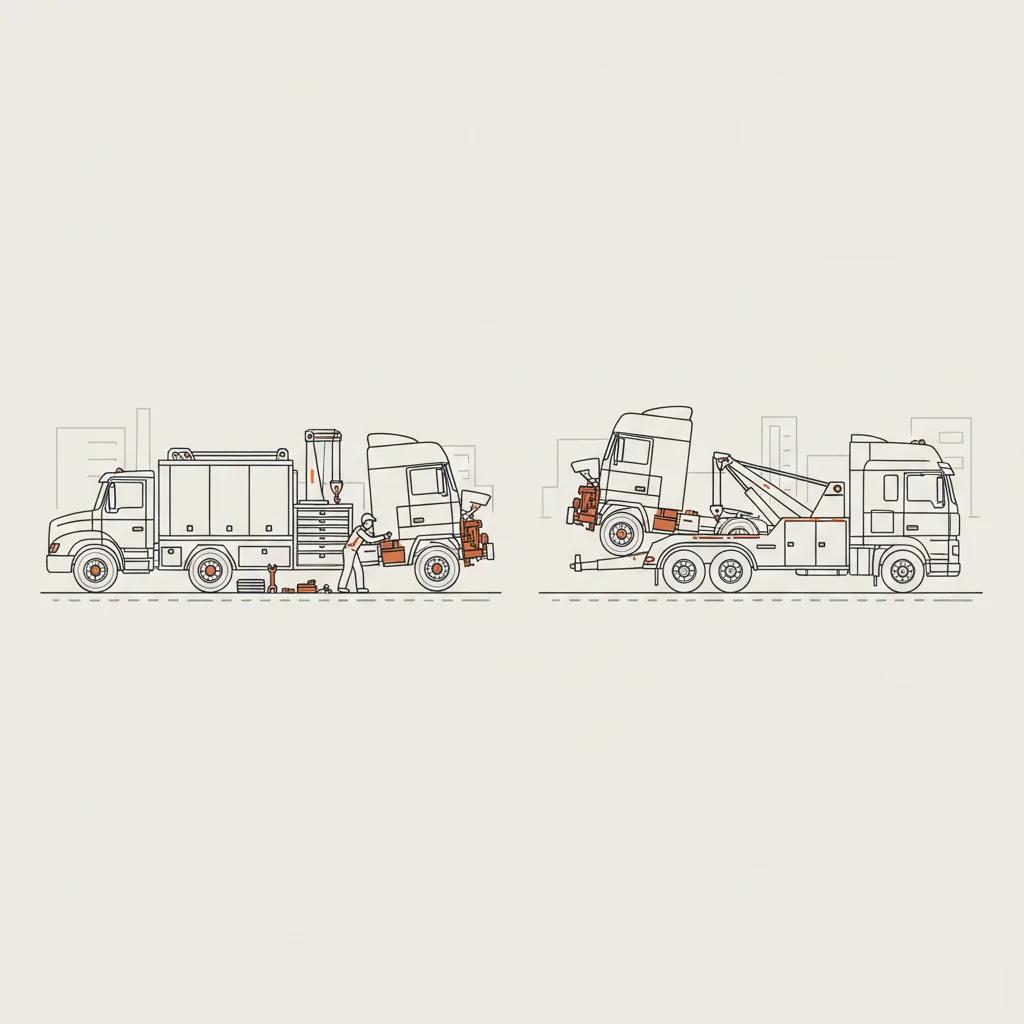
When a truck breaks down, the choice between mobile repair and towing changes what you actually pay. Here's how to weigh both on real cost, not just the invoice.
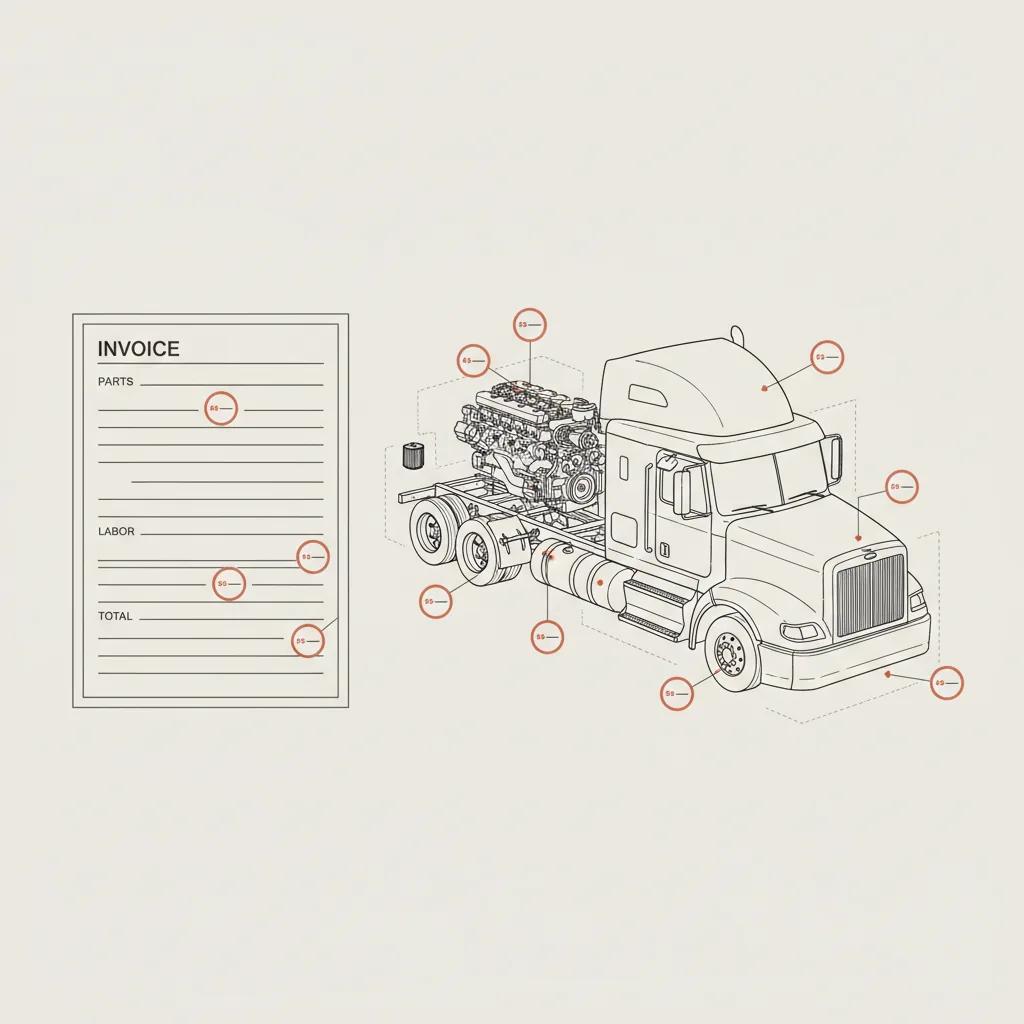
Commercial truck repair cost comes down to parts, labor, diagnostic time, downtime, and whether the truck is fixed on-site or towed first. Here's how each factor moves the number.
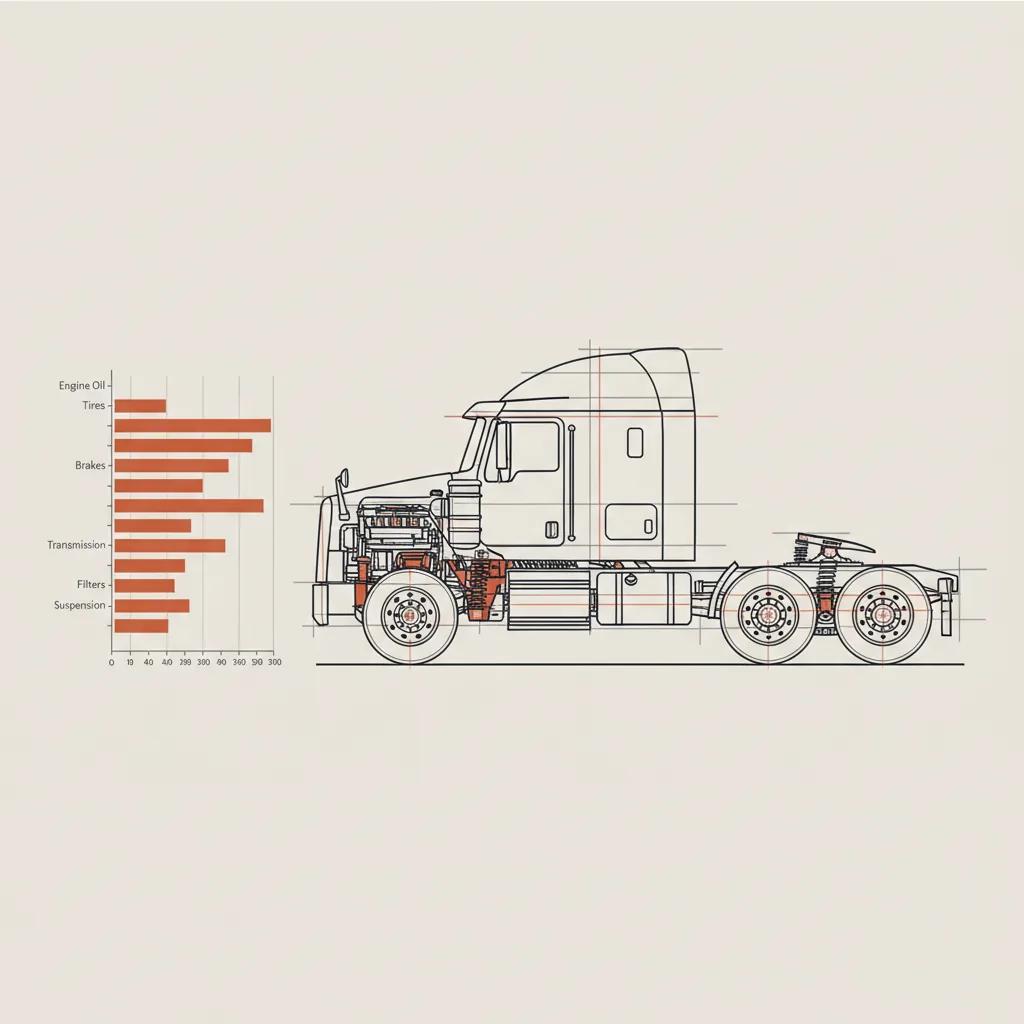
A mileage-based fleet preventive maintenance schedule for commercial trucks: daily, weekly, and PM-A, PM-B, and PM-C service intervals so you know exactly what to do at every odometer mark.
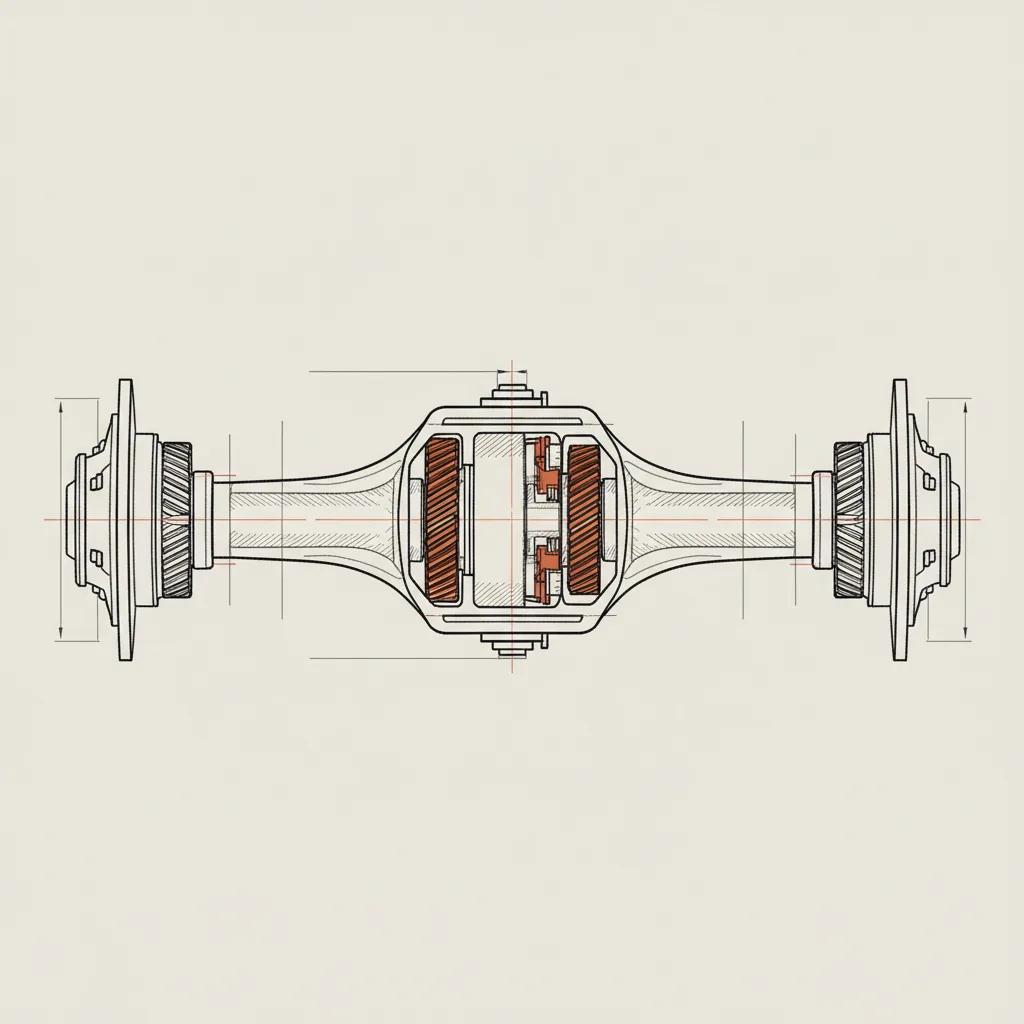
Howling, whining, or clunking from a semi's differential usually points to worn gears, failing bearings, or low gear oil. Here's how to read the noise and act before it becomes a roadside breakdown.
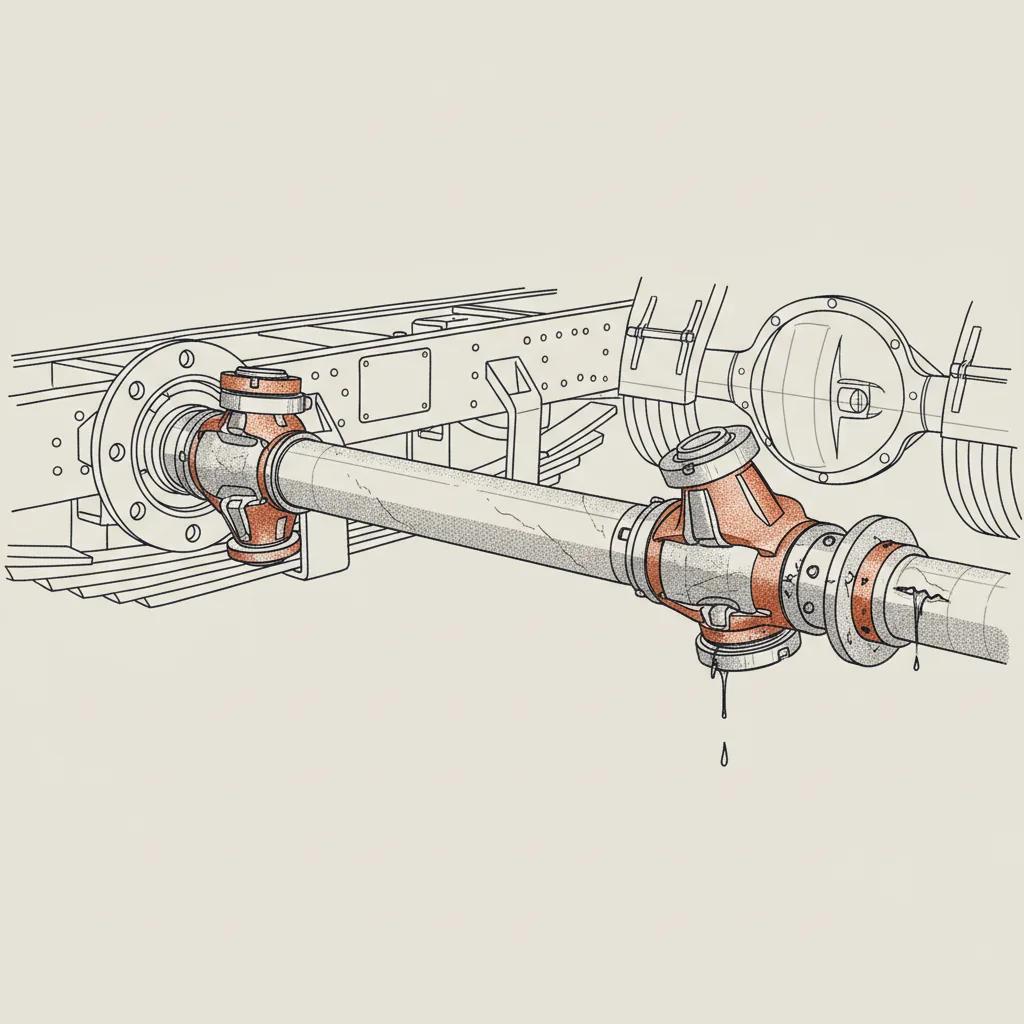
Vibration, clunking on takeoff, and squeaks at low speed are early driveshaft and U-joint failure signs. Learn what to watch for, what causes it, and when to stop driving.
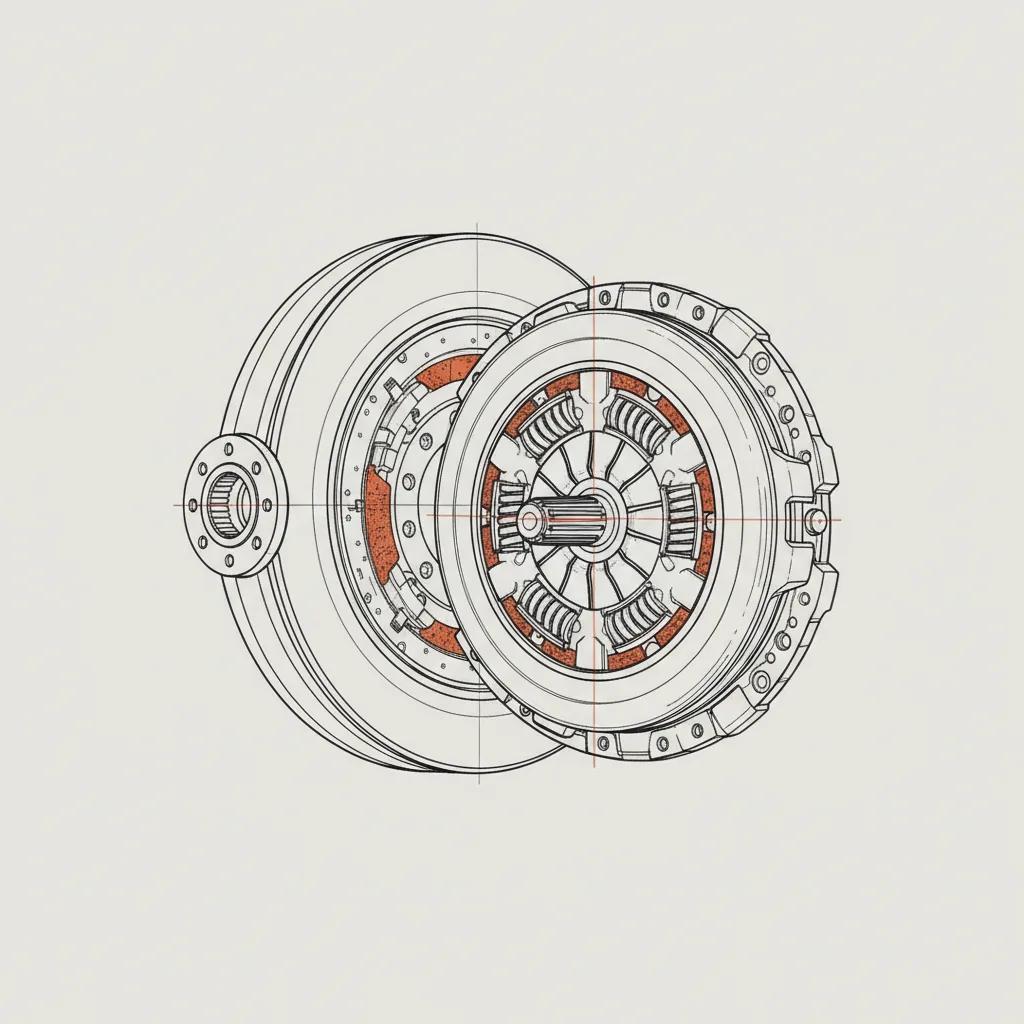
Slipping under load, a chattering or hard pedal, grinding gears, and a burning smell are the clearest truck clutch failure symptoms. How to spot each one early.
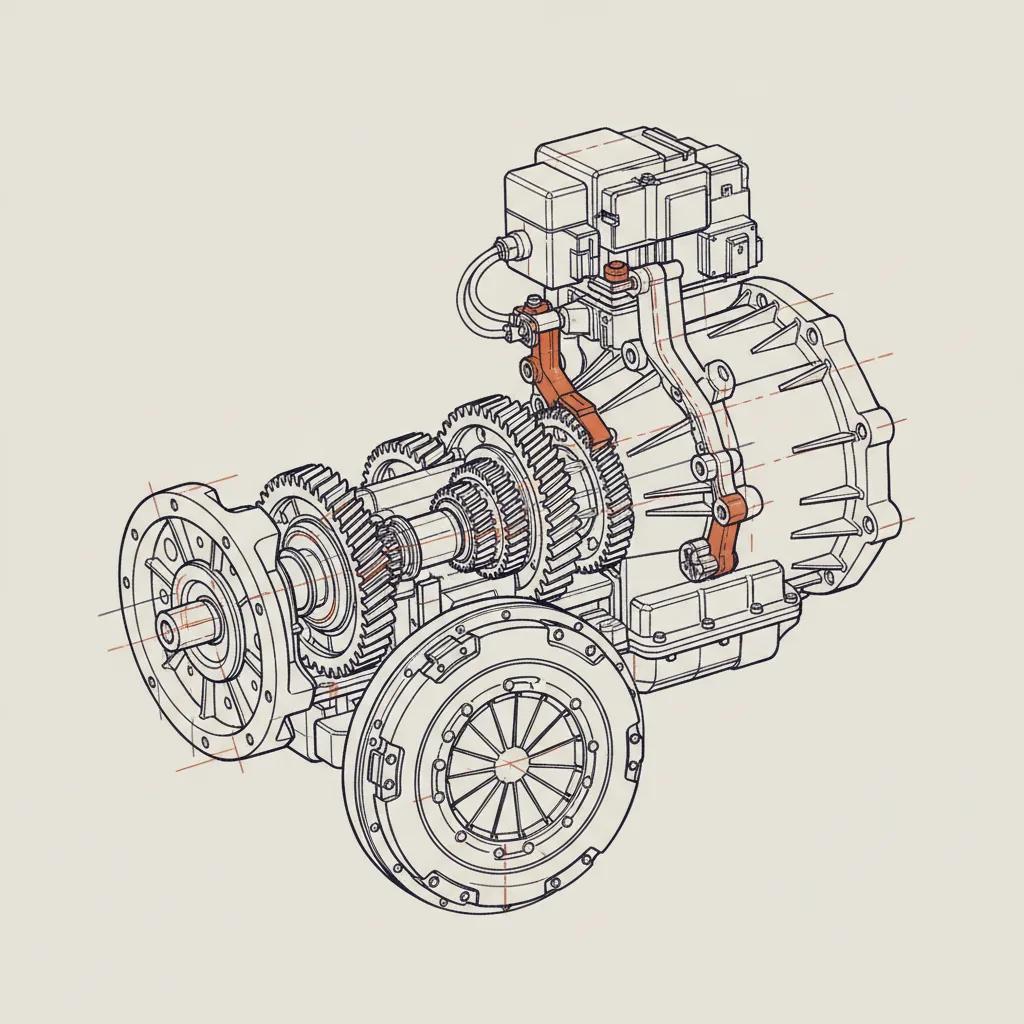
Why automated manual transmissions hard-shift, hesitate, or hang in neutral on heavy trucks, what each symptom usually means, and when to stop driving and call for repair.
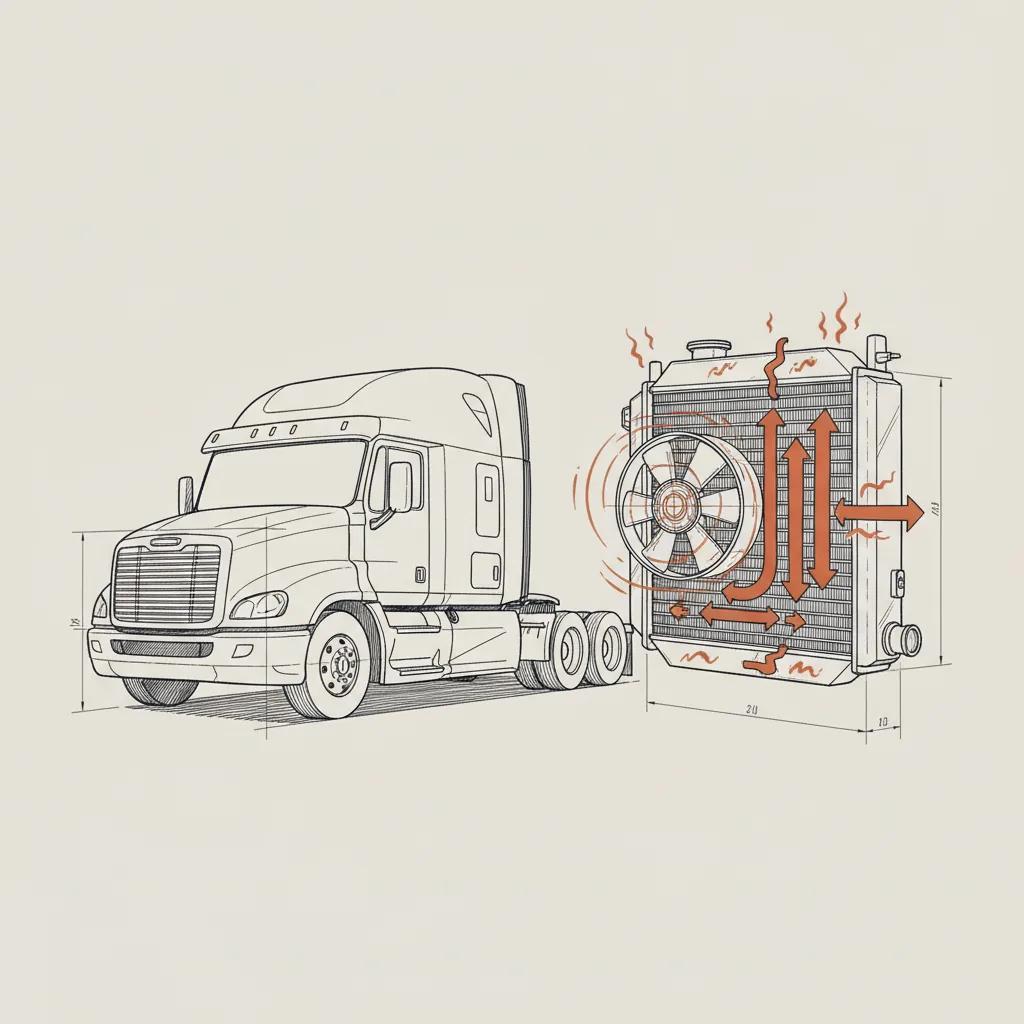
Why heavy truck radiators fail in summer heat, the warning signs to watch for, and when a truck radiator repair beats limping to the next exit.
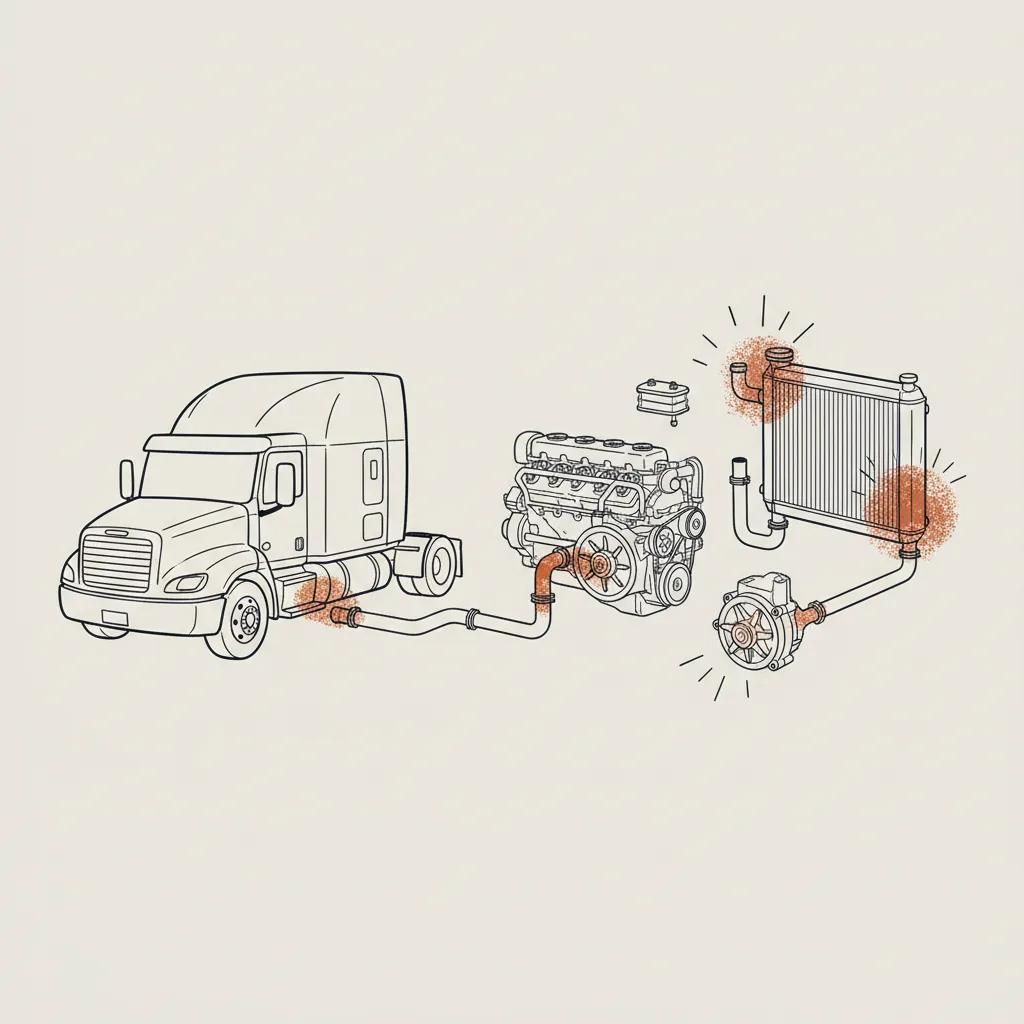
A semi coolant leak usually traces back to hoses, the radiator, the water pump, a failed gasket, or the EGR cooler. Here's how to find the source and what each fix involves.
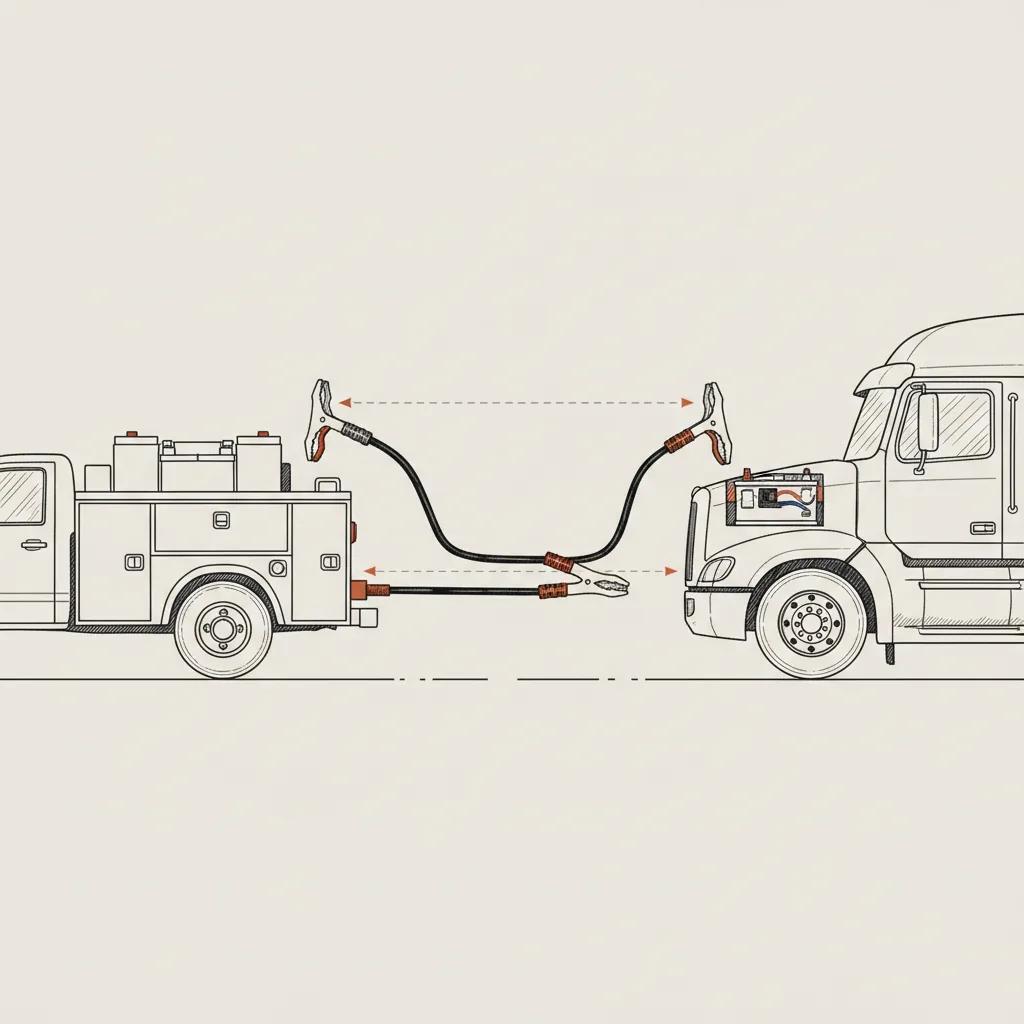
When a semi won't crank, a heavy-duty jump start can get you rolling, but it isn't always the right move. Here's when to jump it, when to call, and how to do it safely.
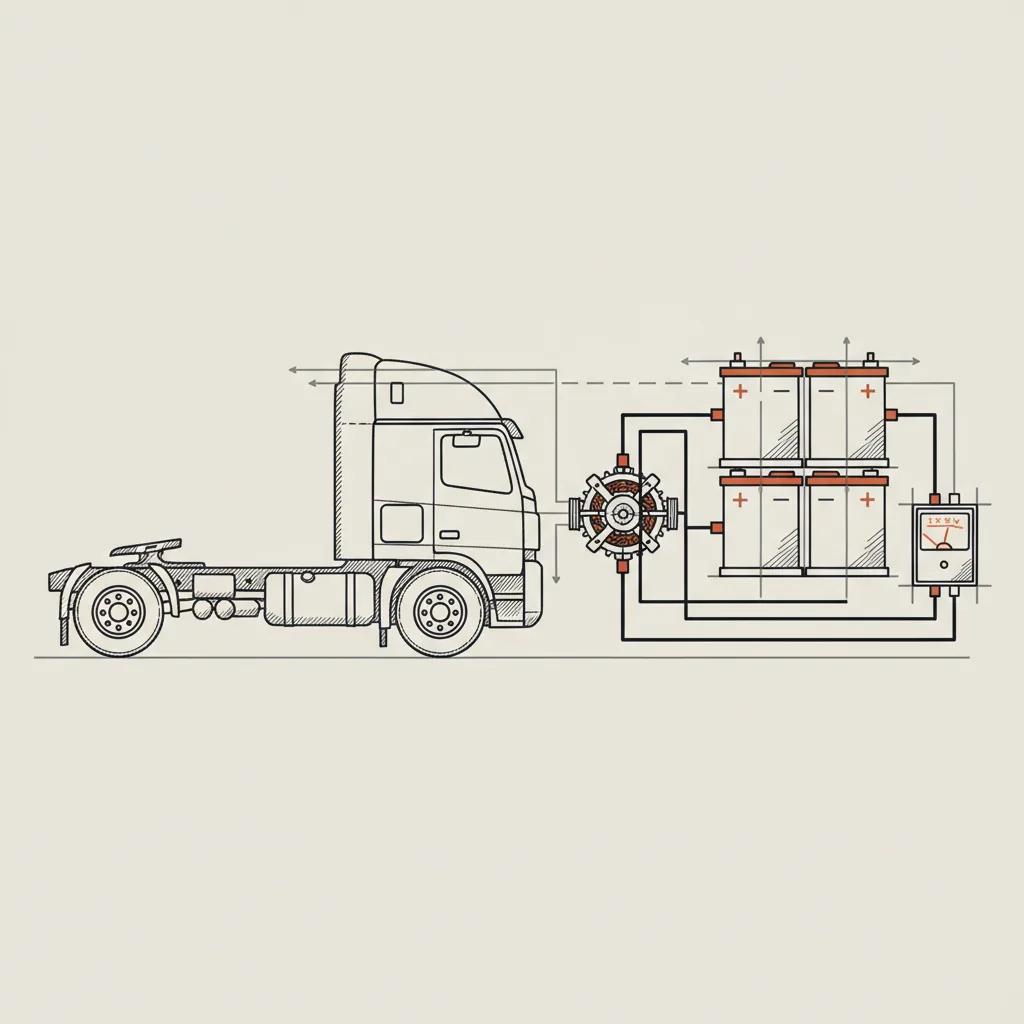
A dead semi can be a battery or an alternator, and the fix is different. Use the running-engine test and these symptom patterns to tell a truck alternator vs battery failure apart fast.
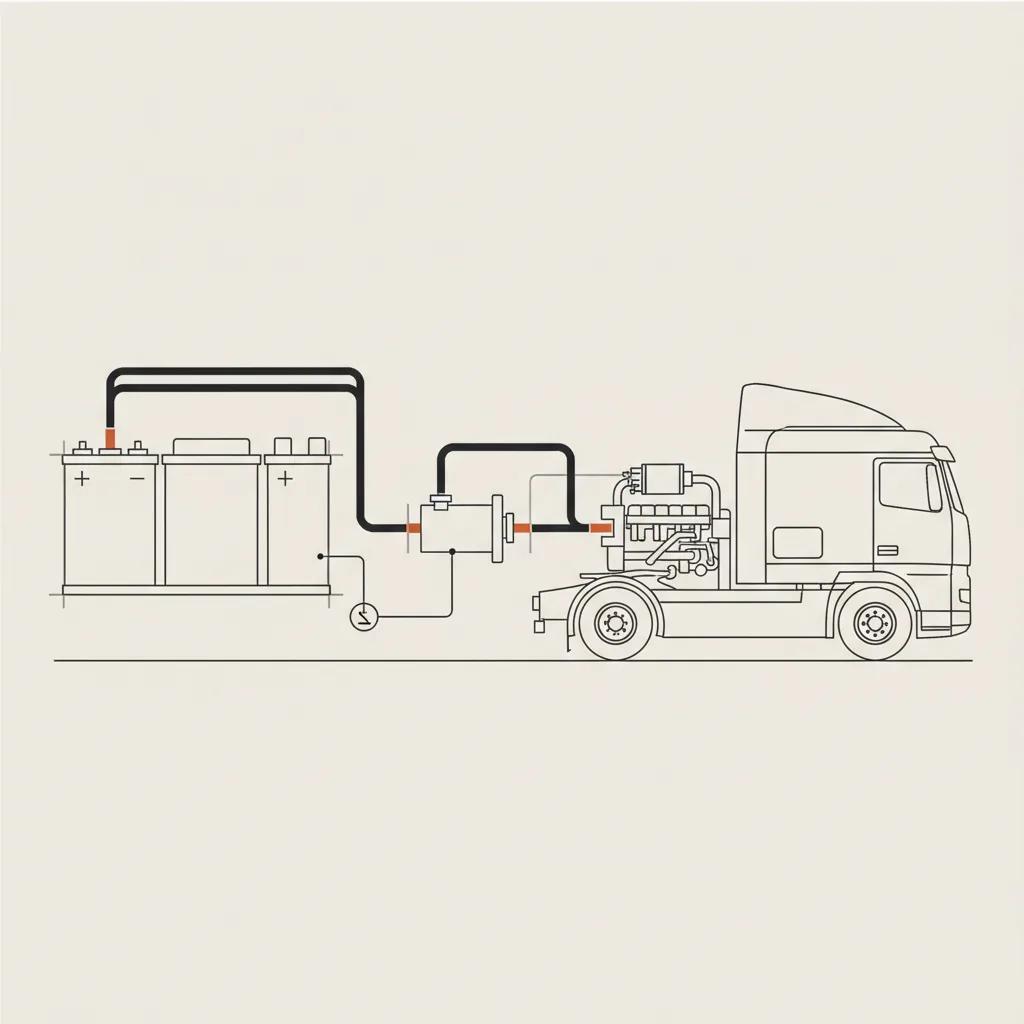
A truck that won't crank is usually an electrical problem, not a dead engine. Here are the battery, ground, starter, and switch causes to check first.
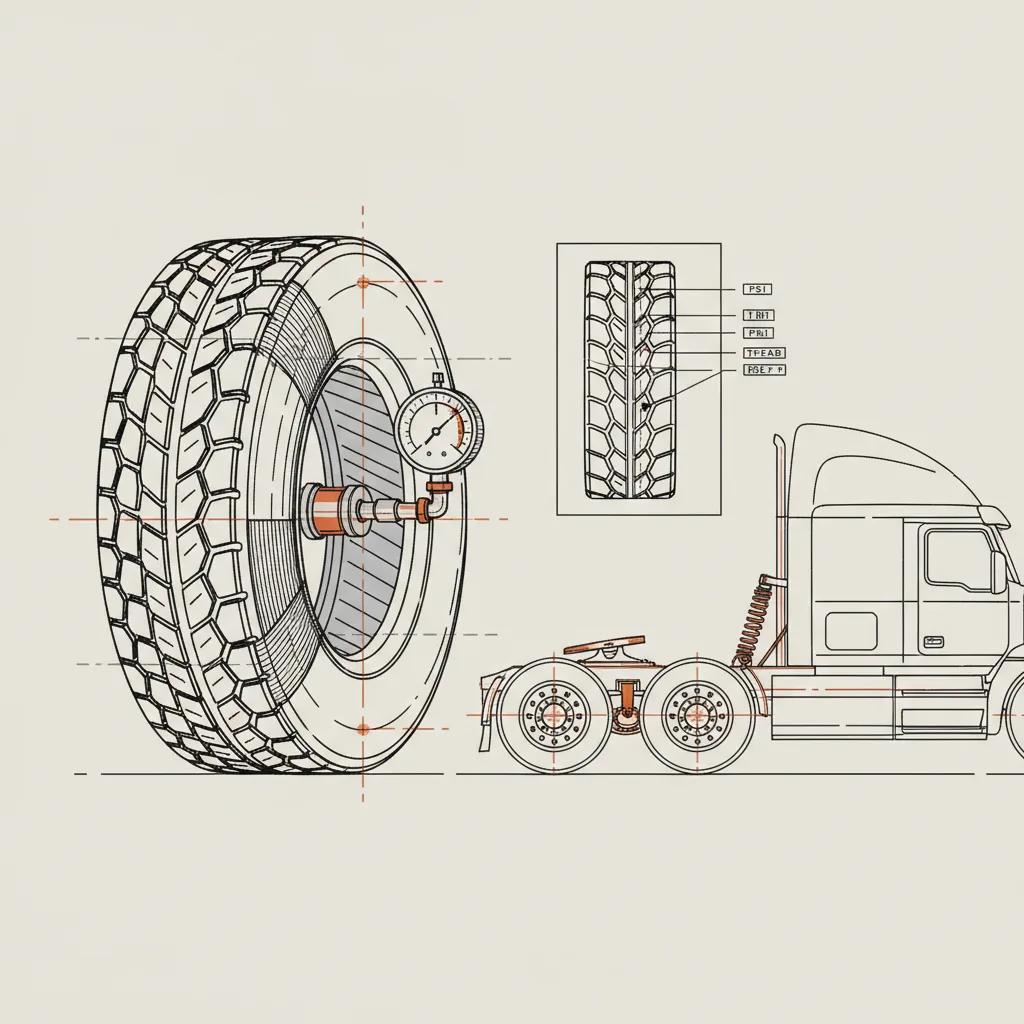
How to set, check, and maintain correct truck tire pressure for steers, drives, and trailers, why it matters, and how to handle problems on the road.
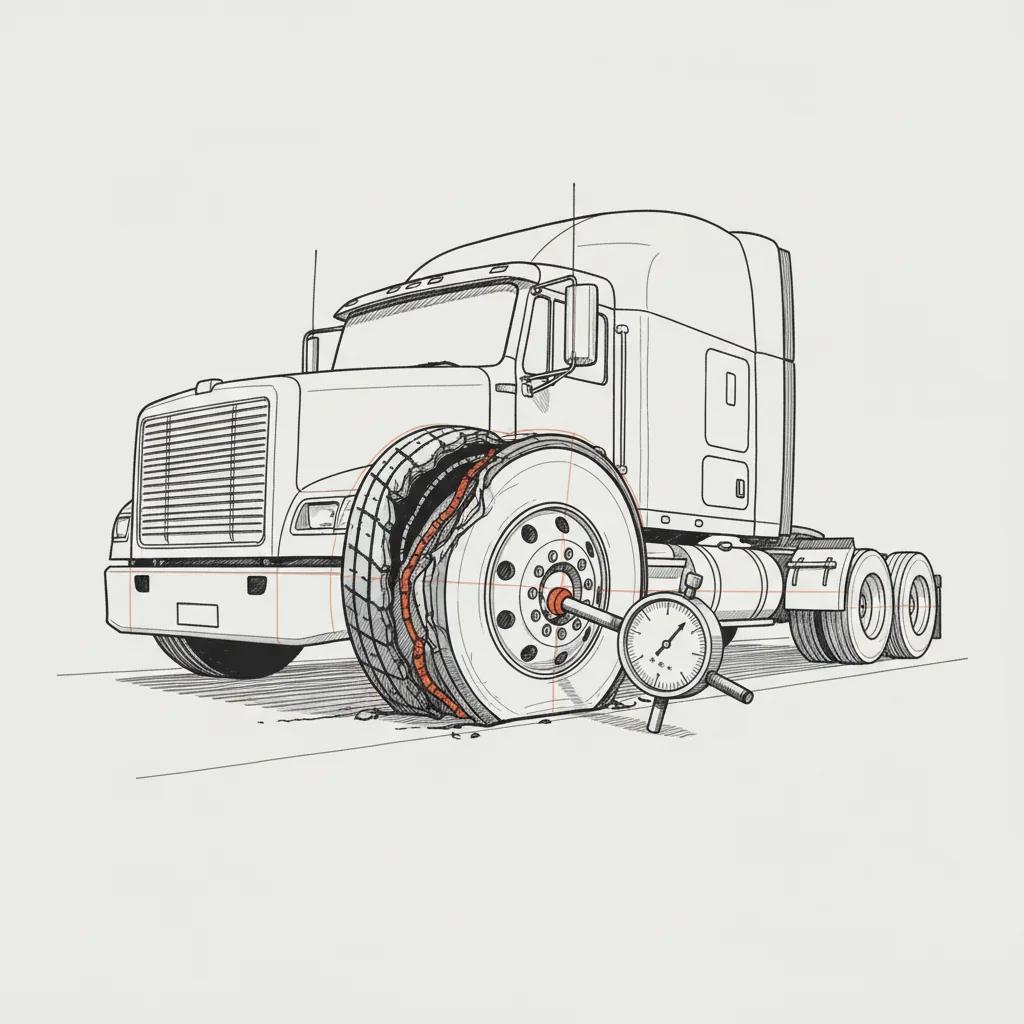
Most semi tire blowouts trace back to under-inflation, heat, and worn casings. Here's how owner-operators and fleets prevent them and what to do when one happens.
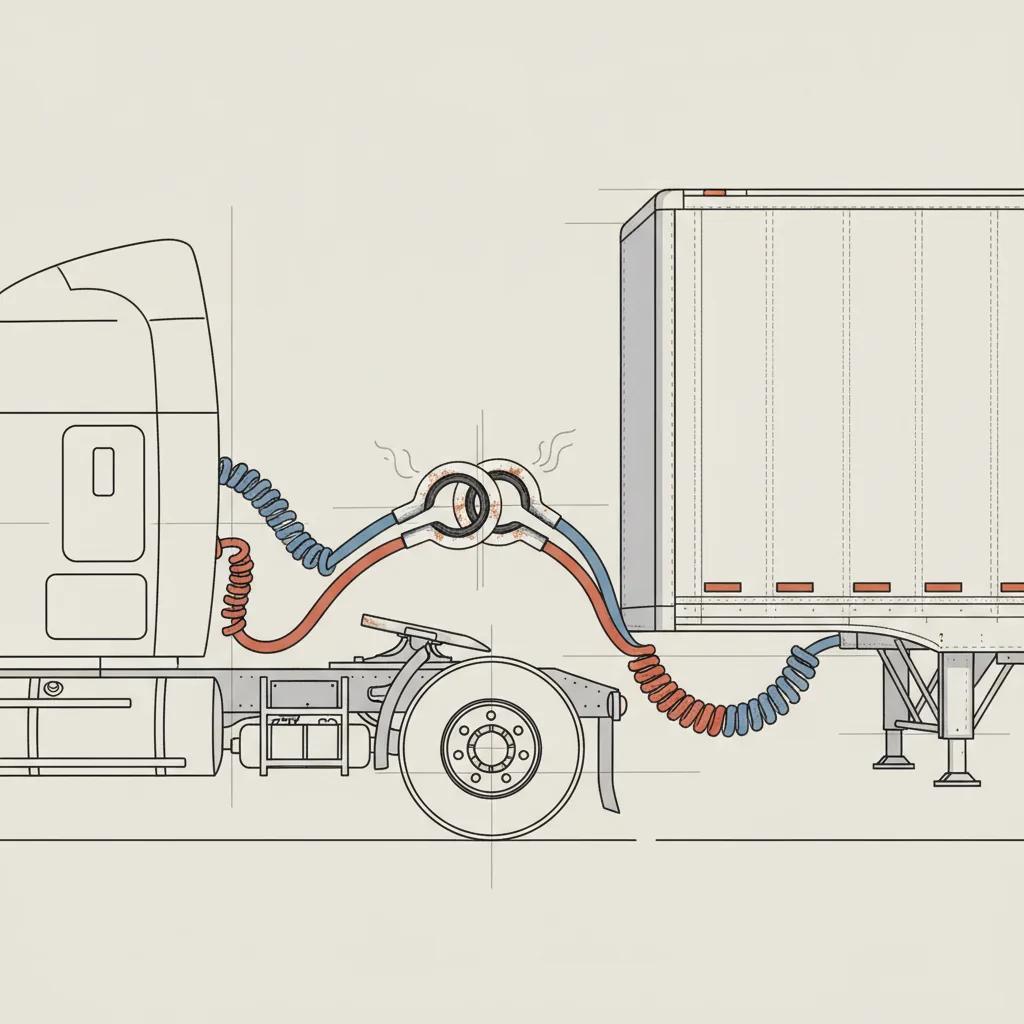
Gladhand problems and air line failures are a top roadside cause of a trailer that won't release its brakes or build air. Here's how to spot them, what causes them, and how to get rolling fast.
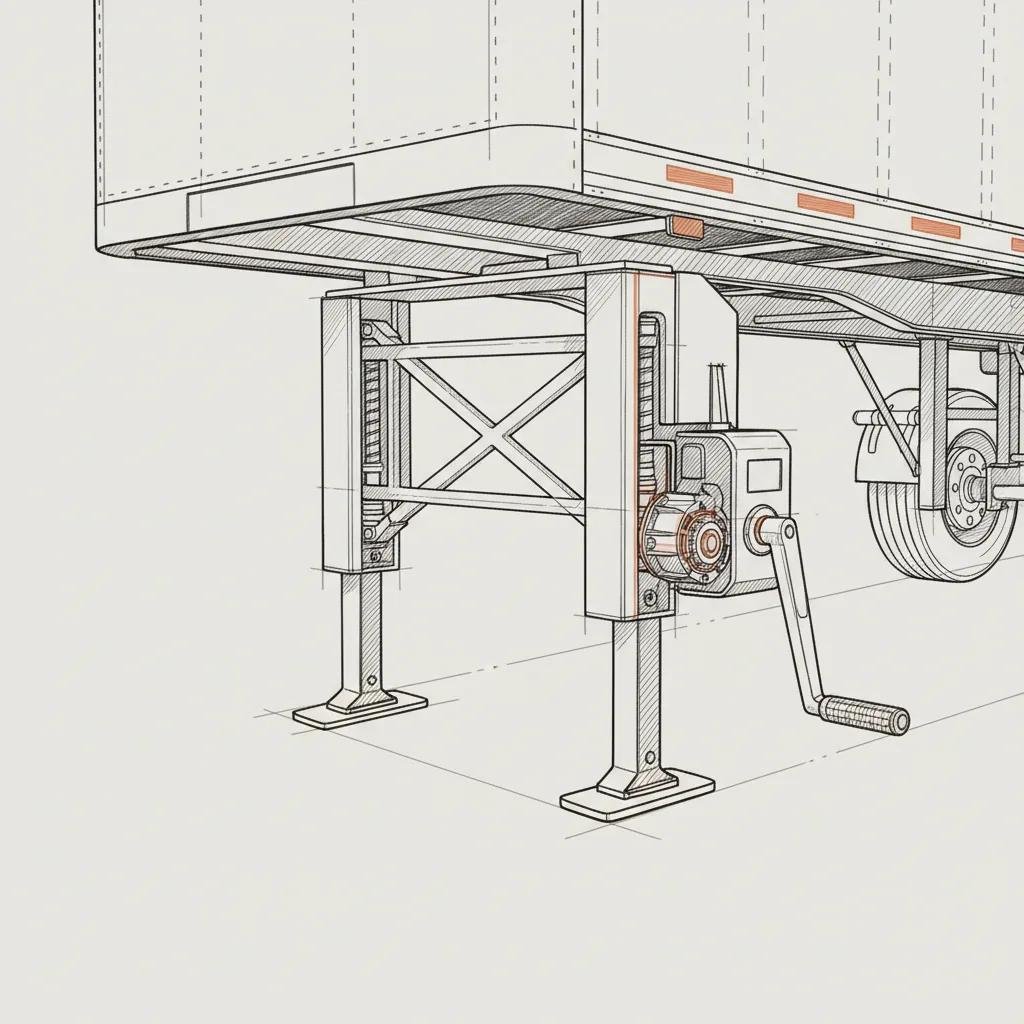
Stiff cranking, a leaning trailer, or a leg that won't retract are signs your trailer landing gear needs repair. Here's how to spot trouble early and what causes it.
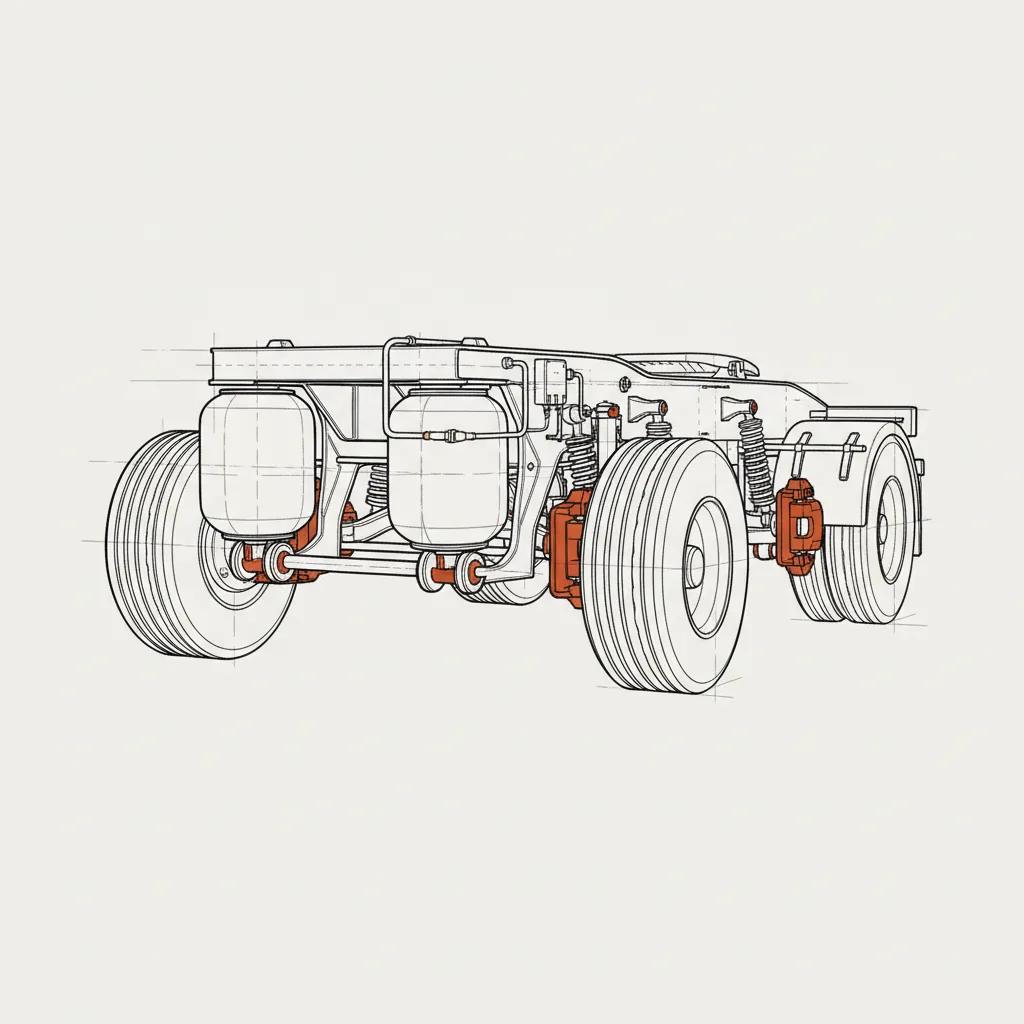
Sagging trailers, constant air loss, and rough rides usually trace back to a few common air suspension failures. Here's what goes wrong and how trailer suspension repair fixes it.
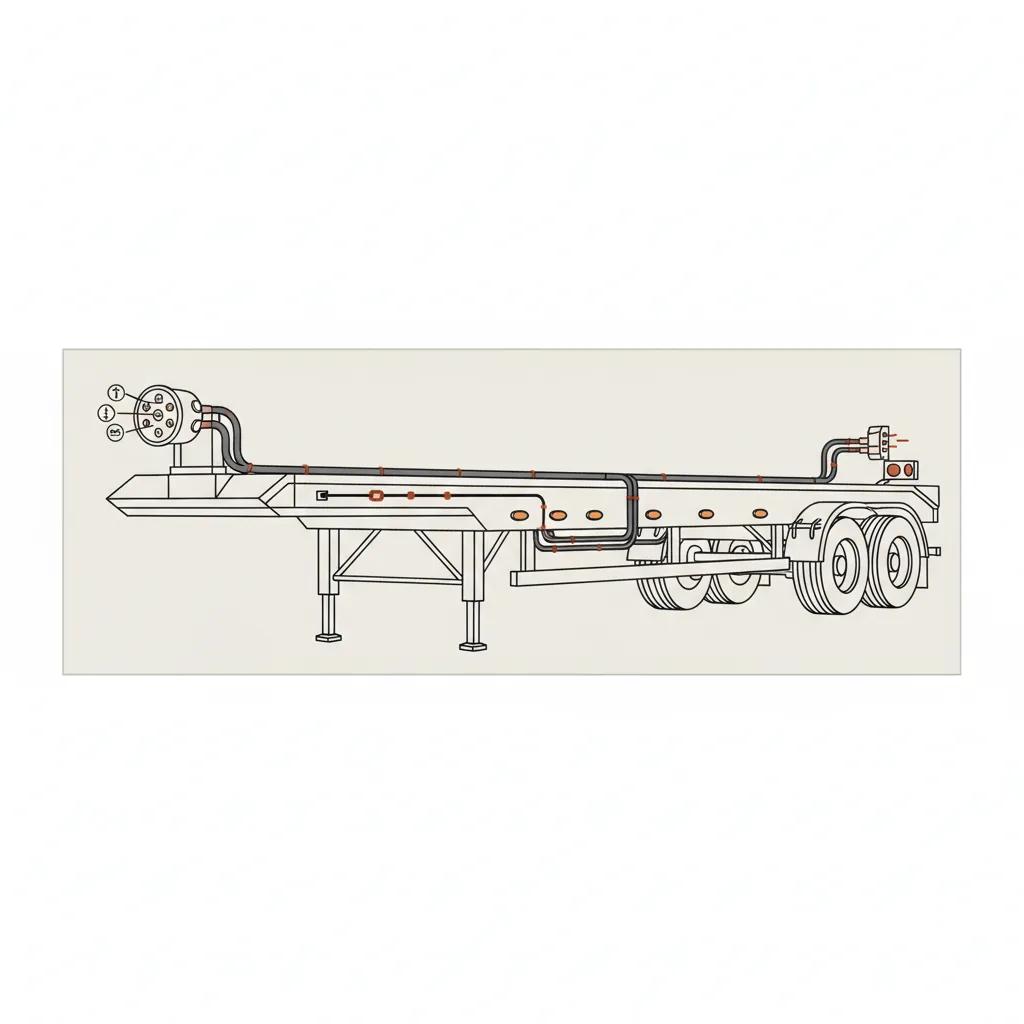
Most trailer light problems trace to corrosion, ground faults, or a bad connection at the 7-way plug. Here's how to diagnose and fix the common ones.
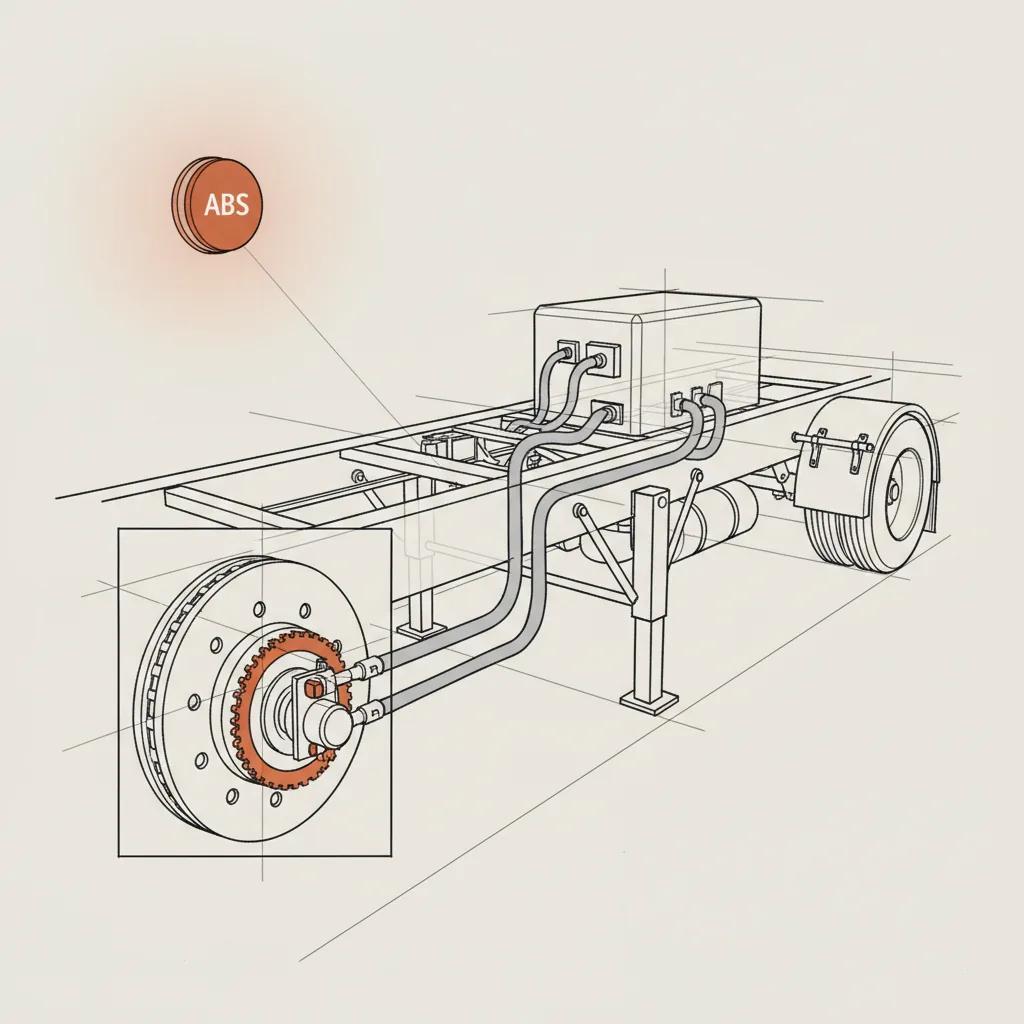
A lit trailer ABS light means the trailer's anti-lock braking system has logged a fault and disabled ABS on that axle. Here's what to check and why it matters at a DOT inspection.
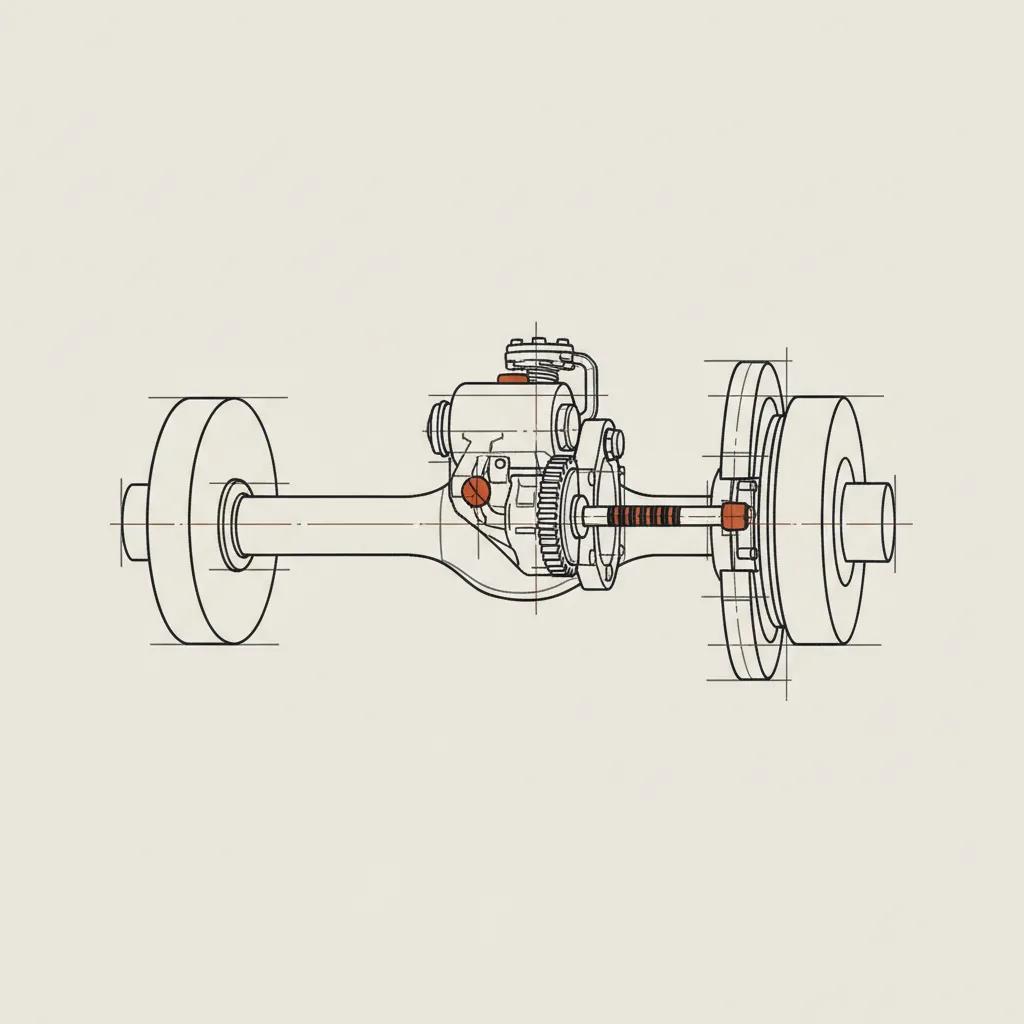
An over-stroked push rod, a longer brake pedal, uneven wear, and pulling under braking signal slack adjusters out of adjustment. How to spot and confirm each.
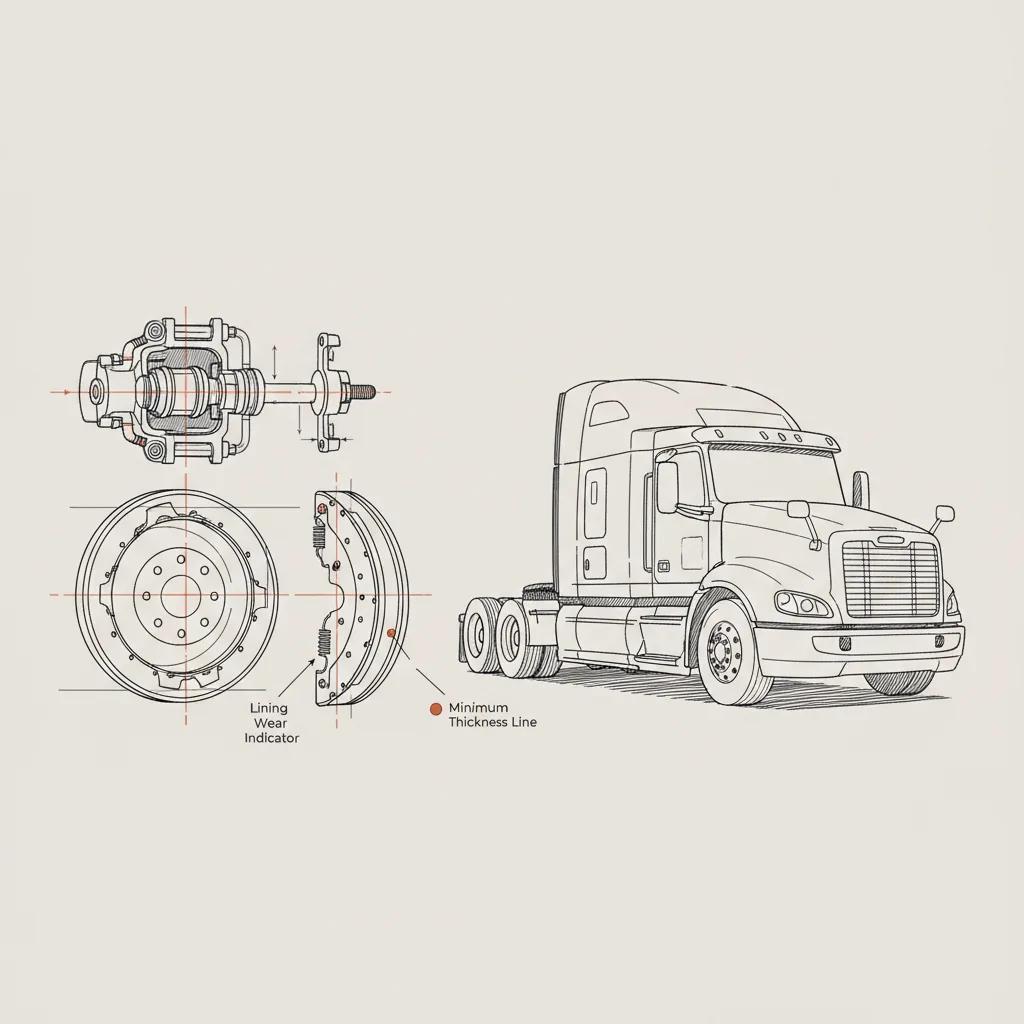
Brake violations are among the most cited problems in roadside inspections. Here's how owner-operators and fleets prevent CSA brake violations and out-of-service orders.
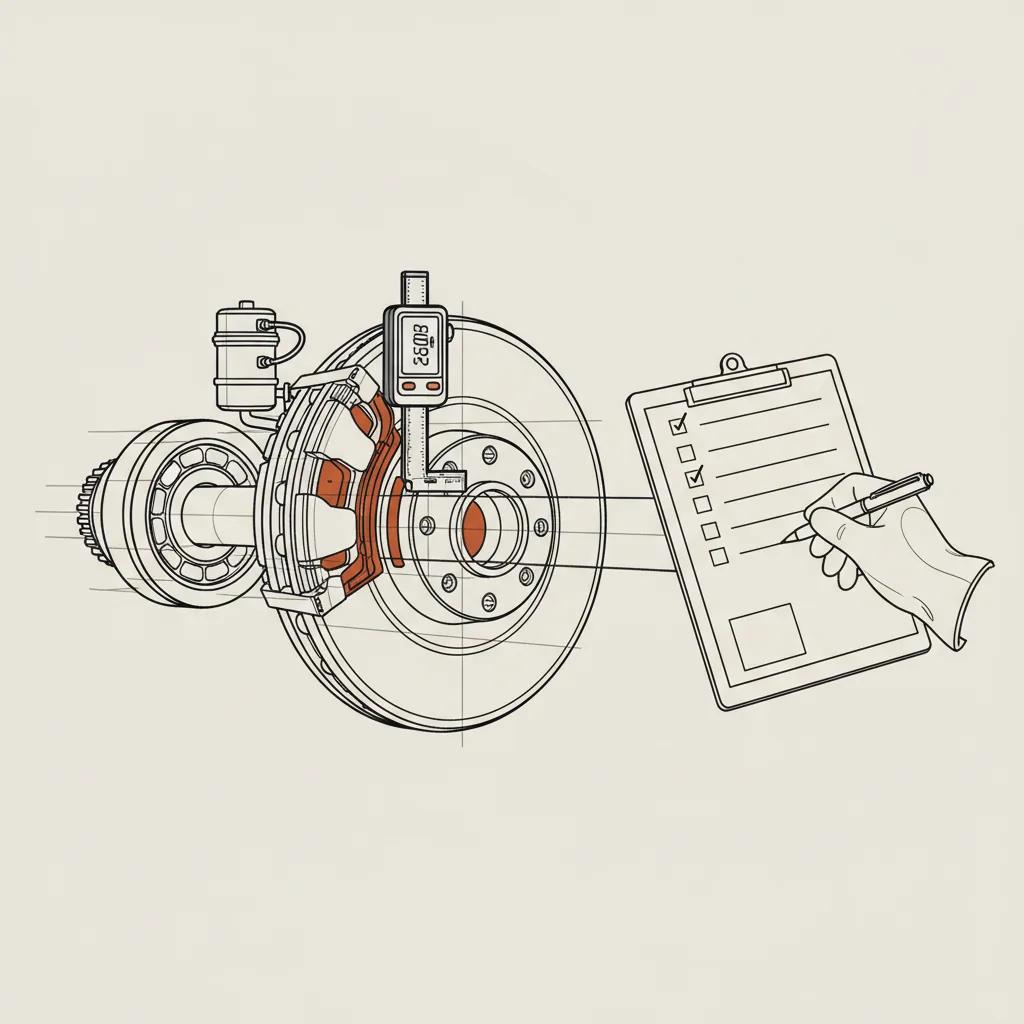
A practical, point-by-point DOT brake inspection checklist for commercial trucks and trailers, covering pushrod stroke, linings, air loss, ABS, and the violations that put rigs out of service.
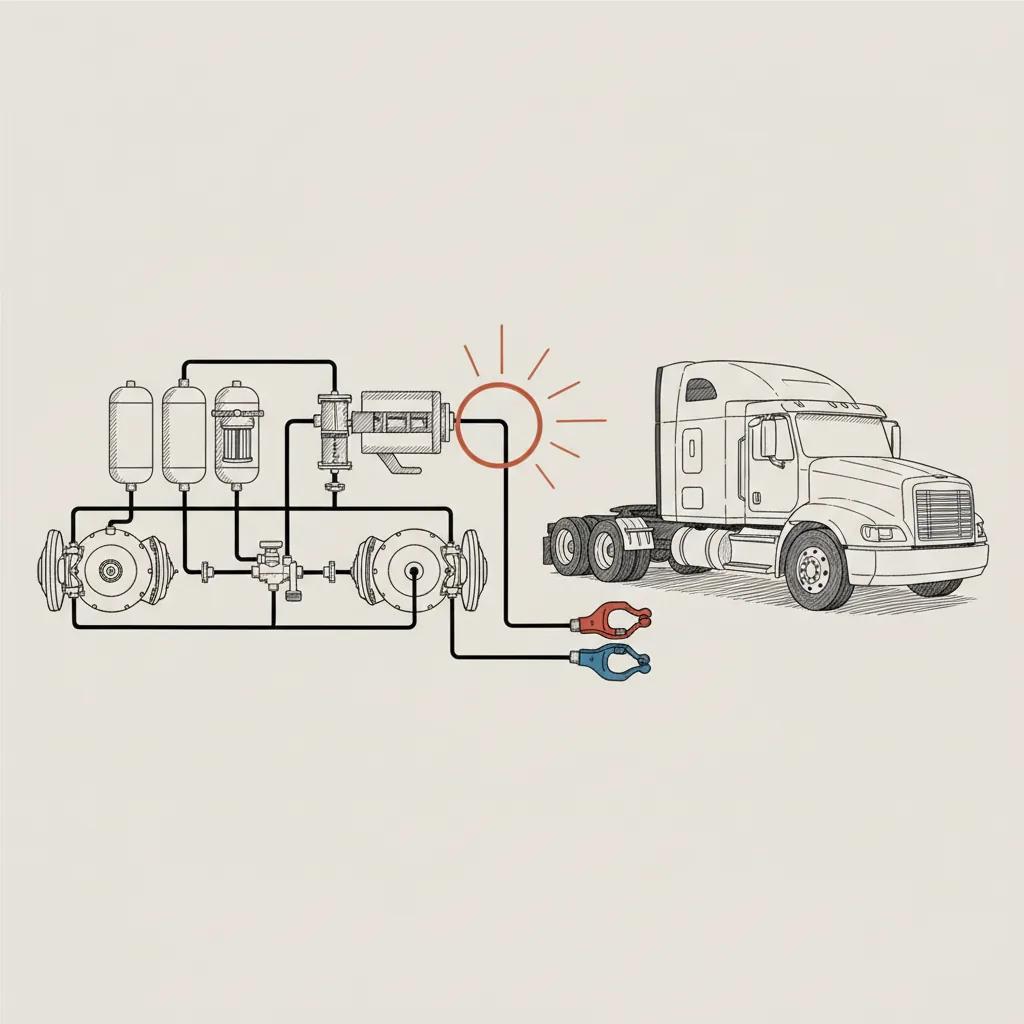
A practical guide to finding and fixing an air brake leak on a semi truck, from listening for hisses to pinpointing fittings, glad hands, and chambers before it becomes a roadside breakdown.
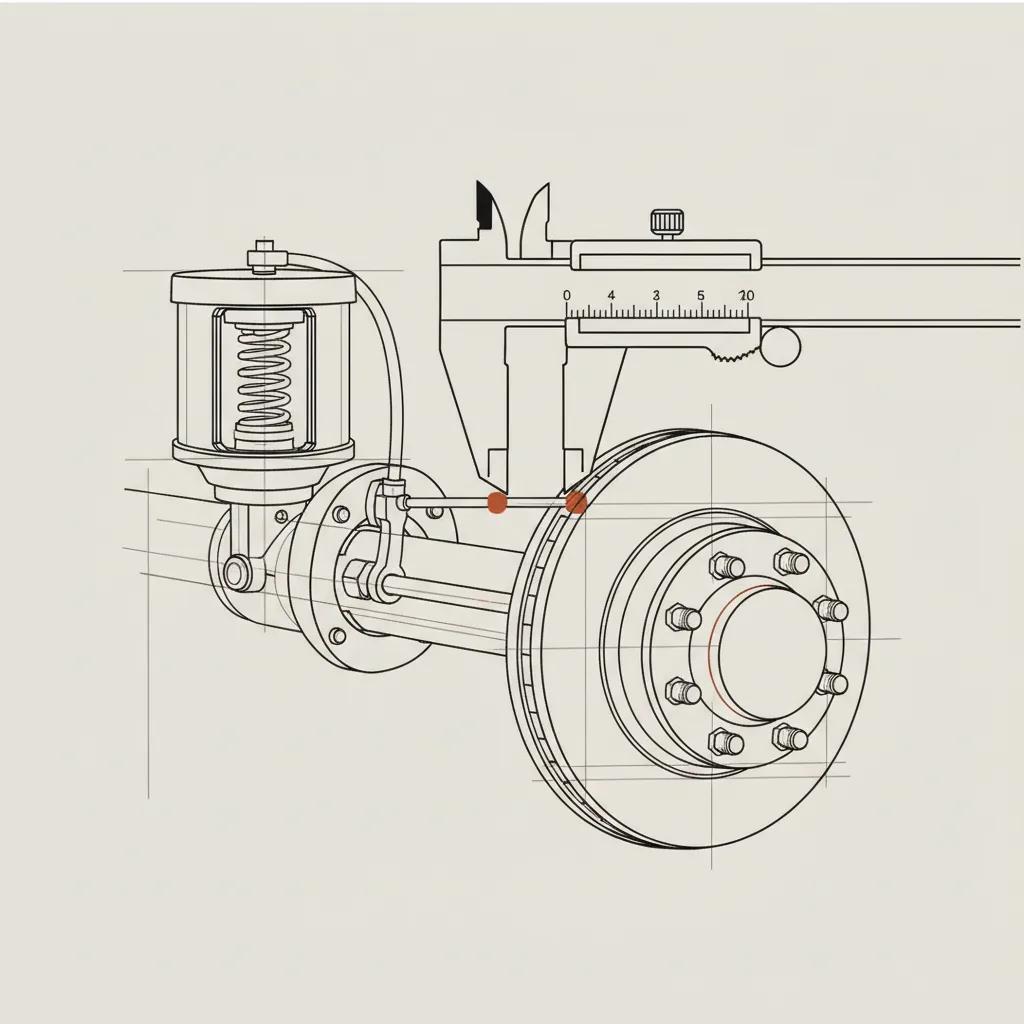
What puts a truck out of service for air brake violations at a DOT inspection, the 20% defective-brake rule, and how to avoid a roadside shutdown.
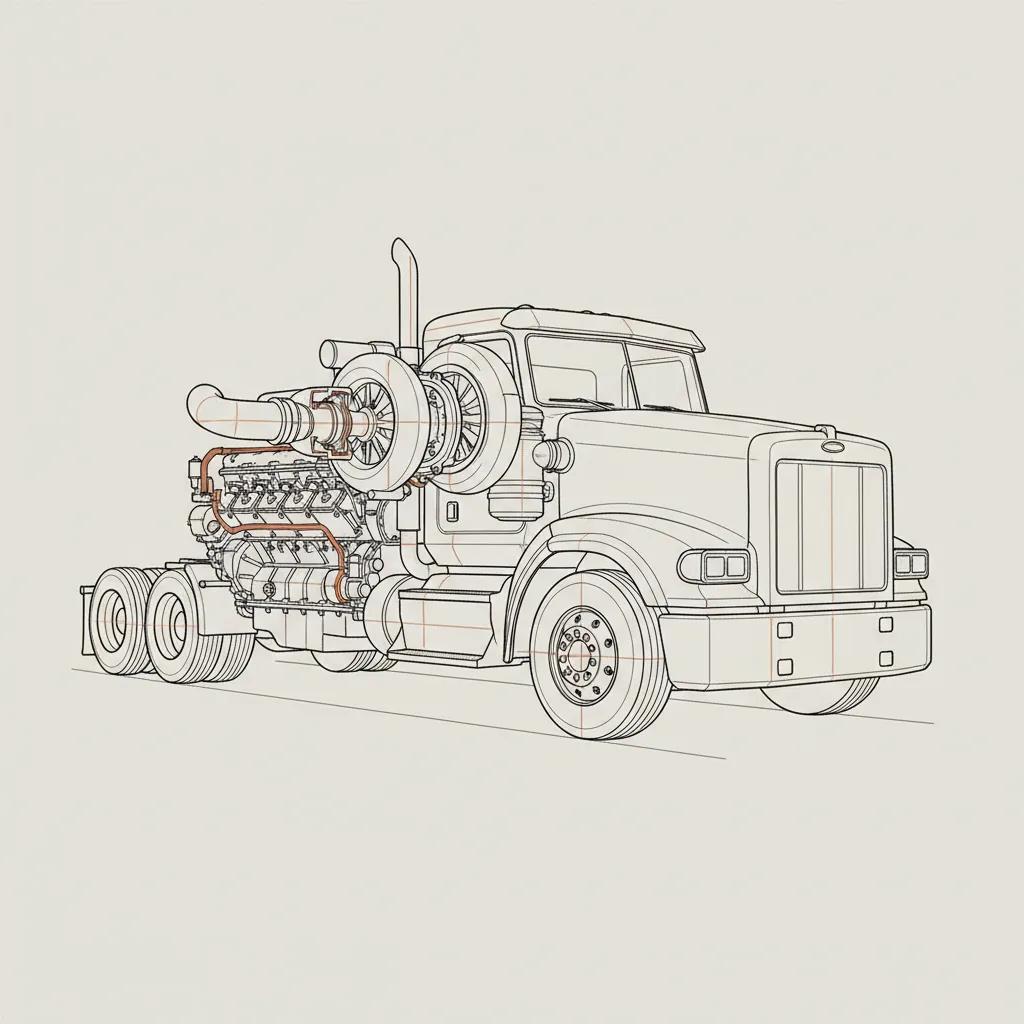
Learn the early turbo failure signs on a semi truck — power loss, blue or black smoke, whining noise, and oil consumption — and what each one means before it gets expensive.
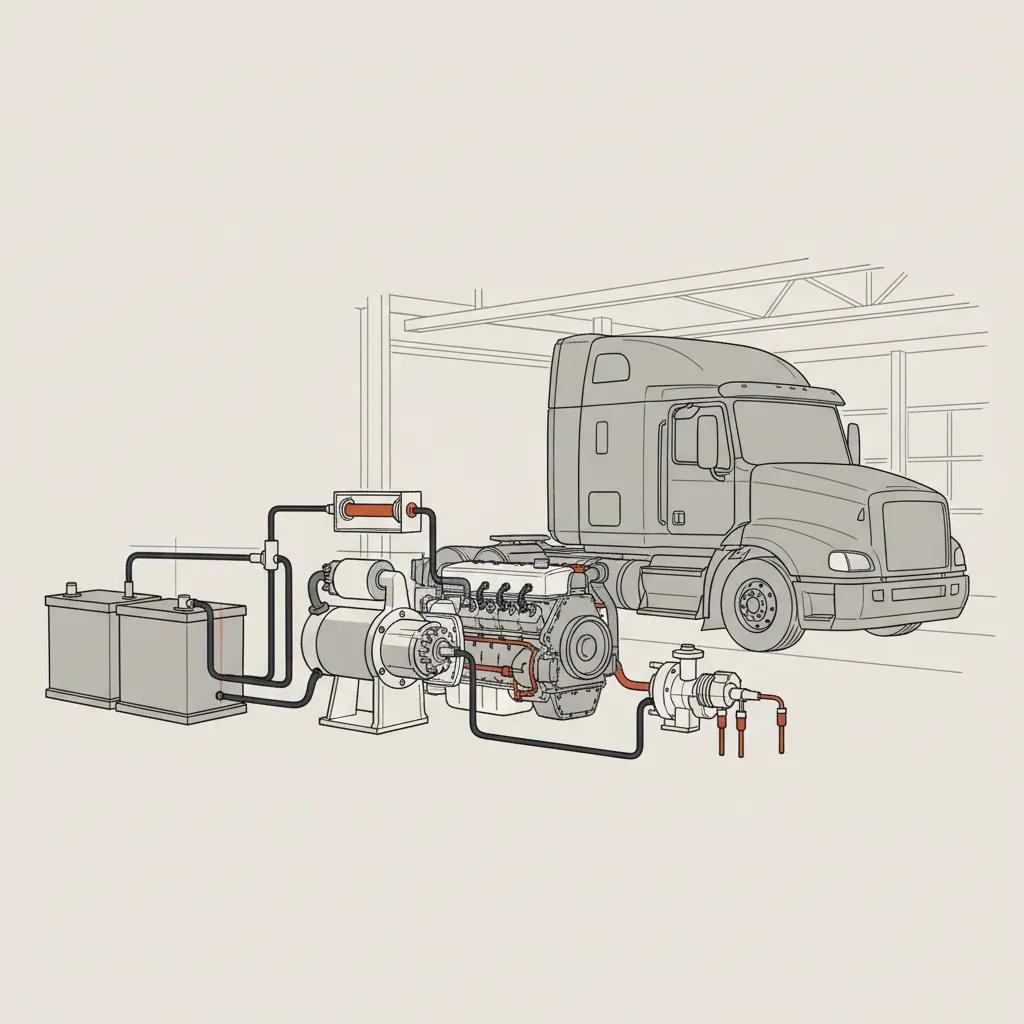
A practical troubleshooting guide for when a diesel truck won't start, cranks but won't fire, or is hard to start cold, plus when to call for mobile help.
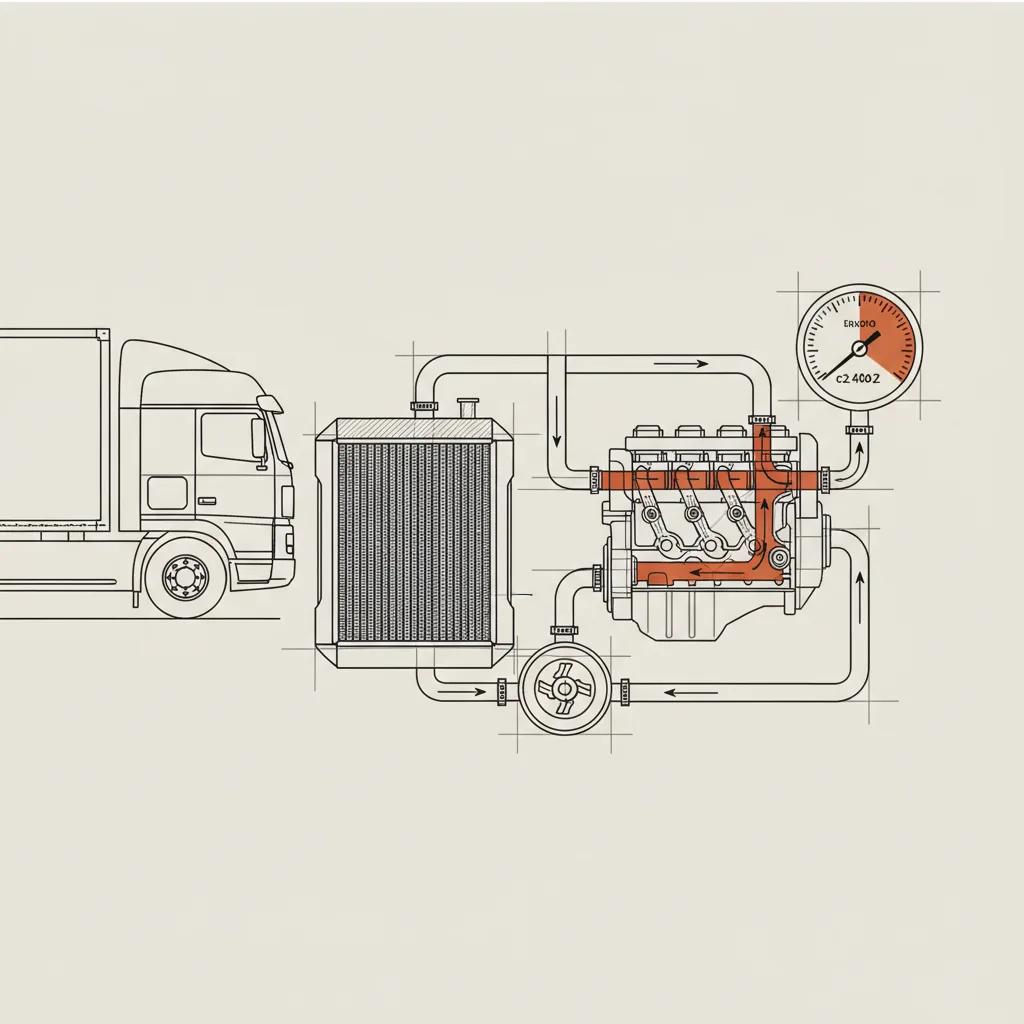
Semi truck overheating usually traces to low coolant, a clogged radiator, a failing water pump, or a stuck thermostat. Here are the causes and how to prevent them.
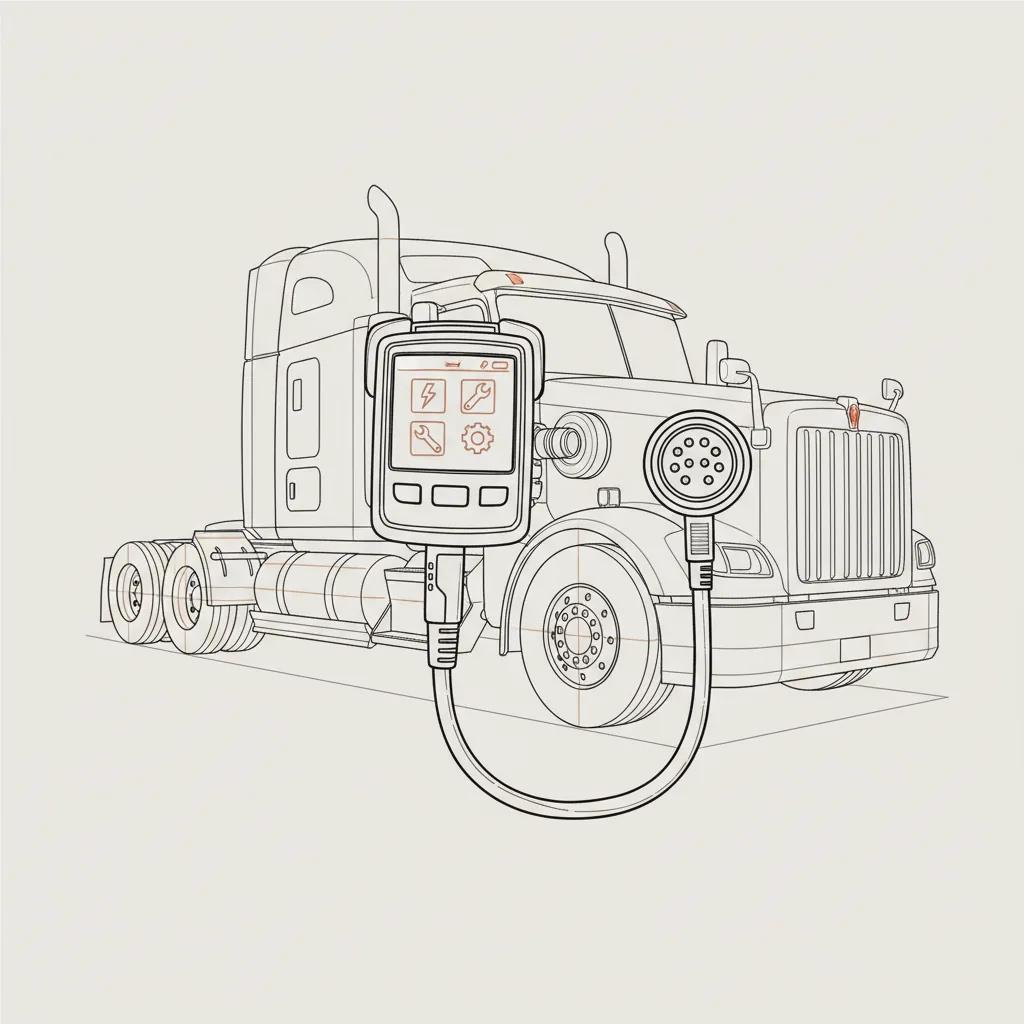
Diesel fault codes pair an SPN with an FMI to pinpoint a fault and its failure type. Learn how to read them, which are critical, and when to call for repair.
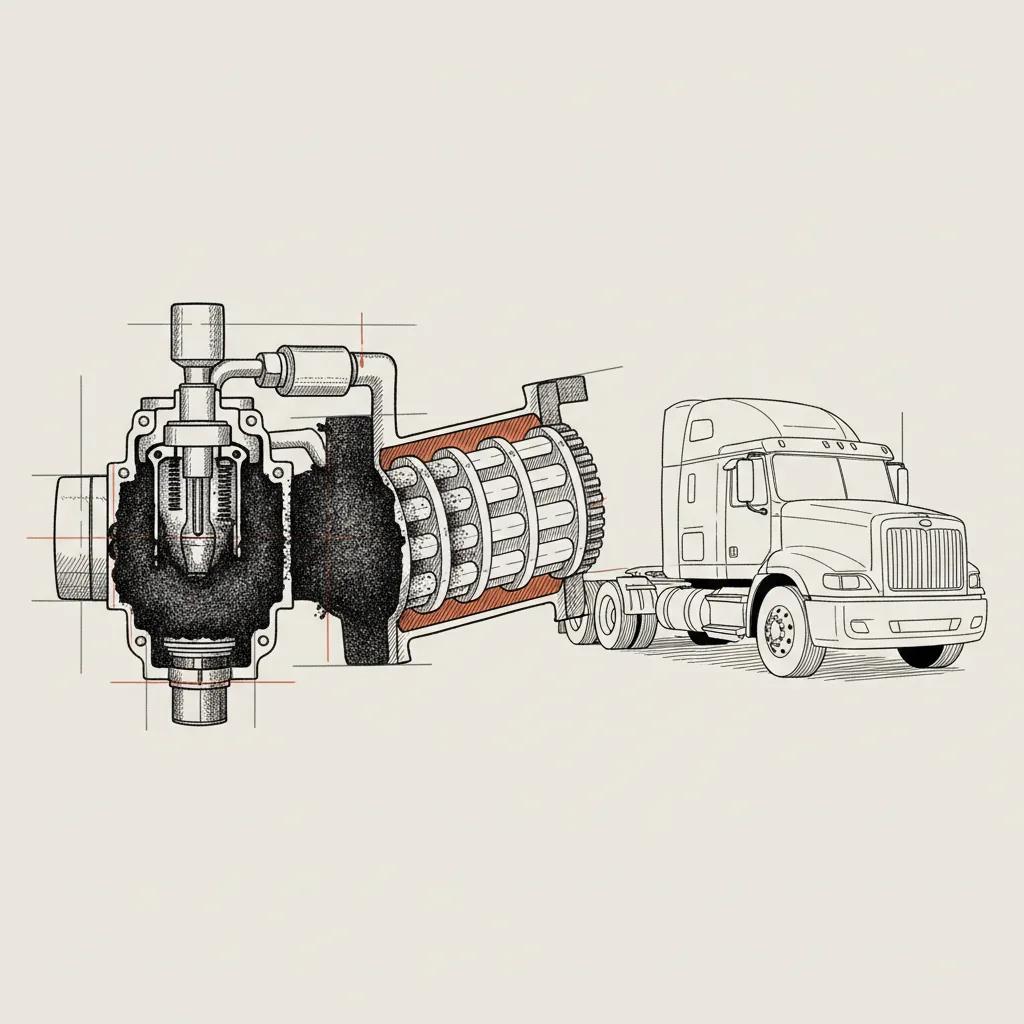
Rough idle, power loss, a check-engine light, and EGR fault codes are the most common EGR valve symptoms on diesel trucks. Here's how to spot a failing valve early.
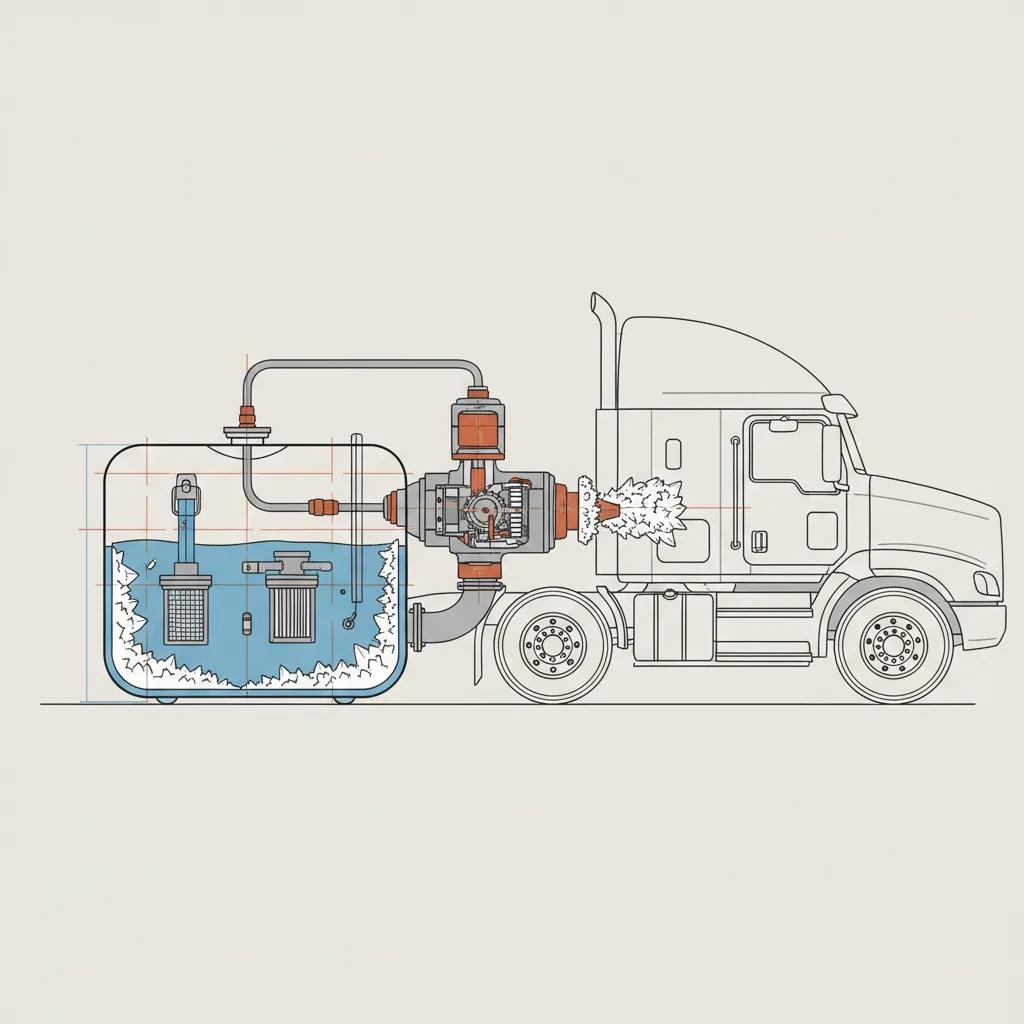
DEF system warning lights, derates, and dosing faults explained for truckers and fleets, plus what DEF system repair actually involves and how to avoid downtime.
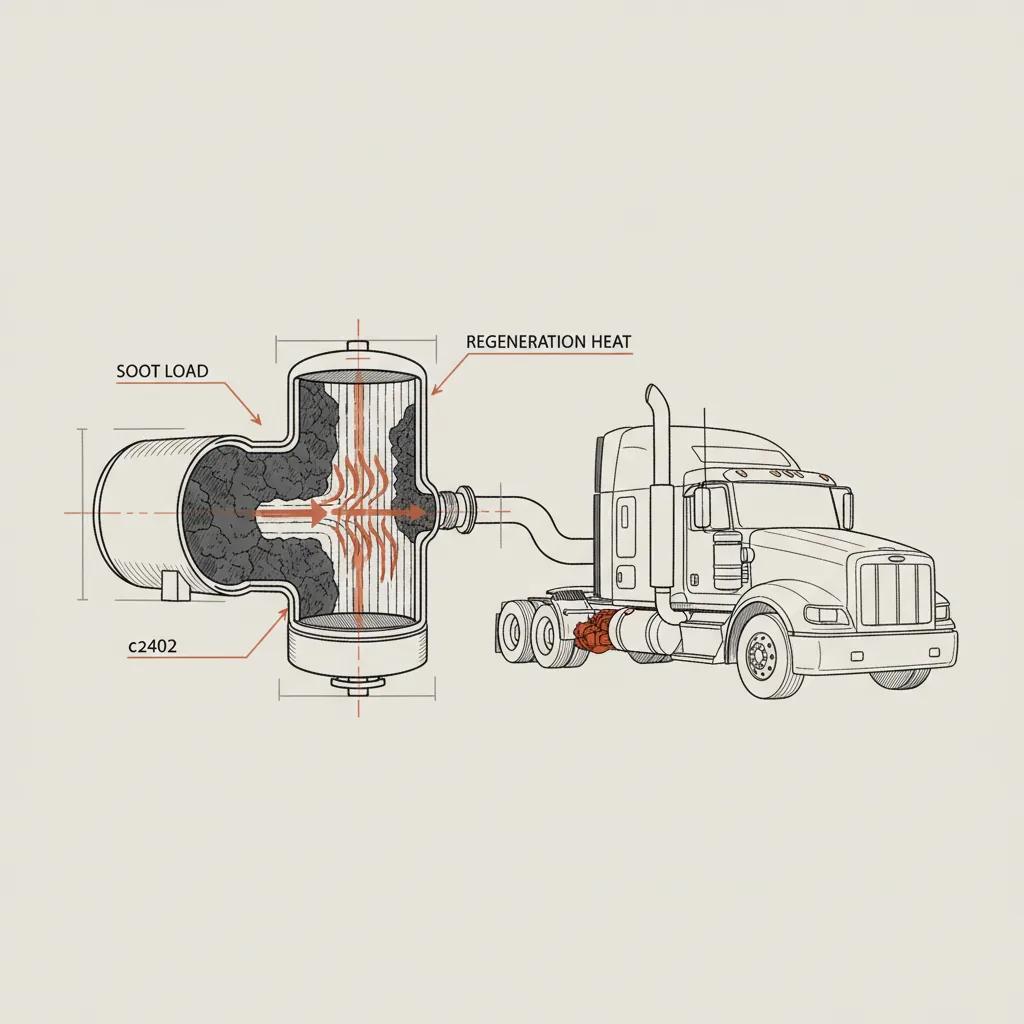
A DPF regen that stalls usually points to a sensor fault, a clogged filter, low exhaust temps, or active fault codes blocking the cycle. Here's how to diagnose and fix forced regen problems.
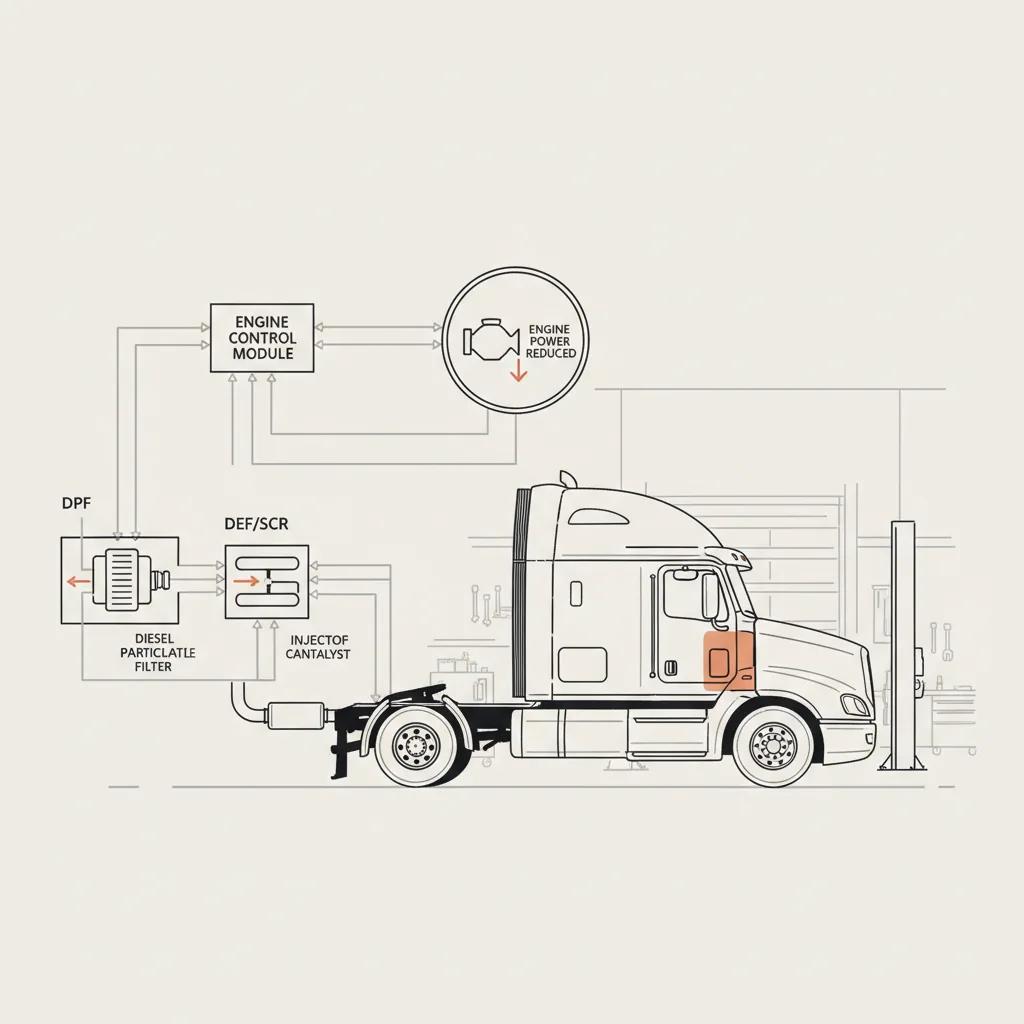
Engine derate is your truck's ECM cutting power to protect itself or force a repair. Here's what triggers it, the difference from limp mode, and how to respond.
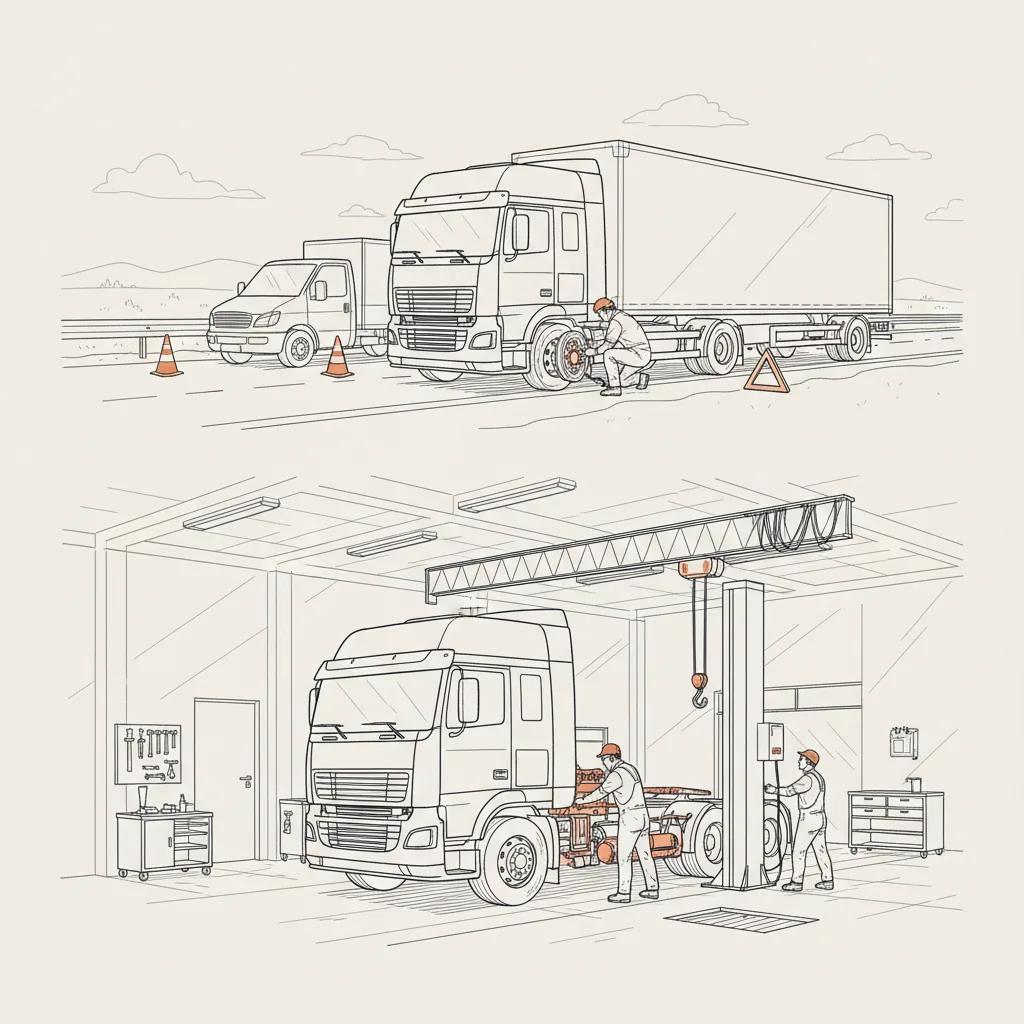
Should you call a mobile mechanic or tow to a shop? The answer turns on repair complexity, location safety, and DOT rules, not just cost. Here's a practical decision framework and a repair-type table for Sacramento drivers running I-80 and I-5.
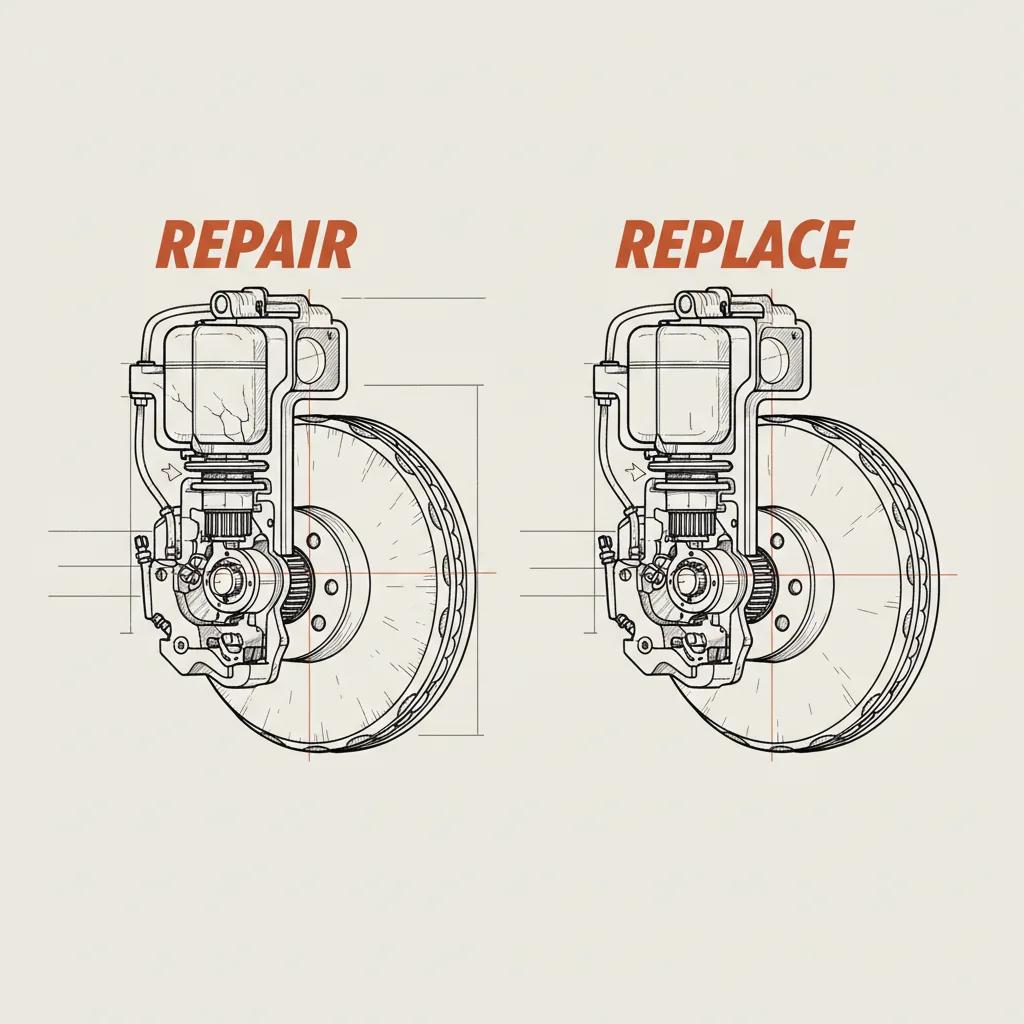
A practical decision guide for truck operators choosing between repairing and replacing air brake components, built around CVSA out-of-service criteria, FMCSA rules, and the factors that actually drive total cost on Sacramento freight runs.
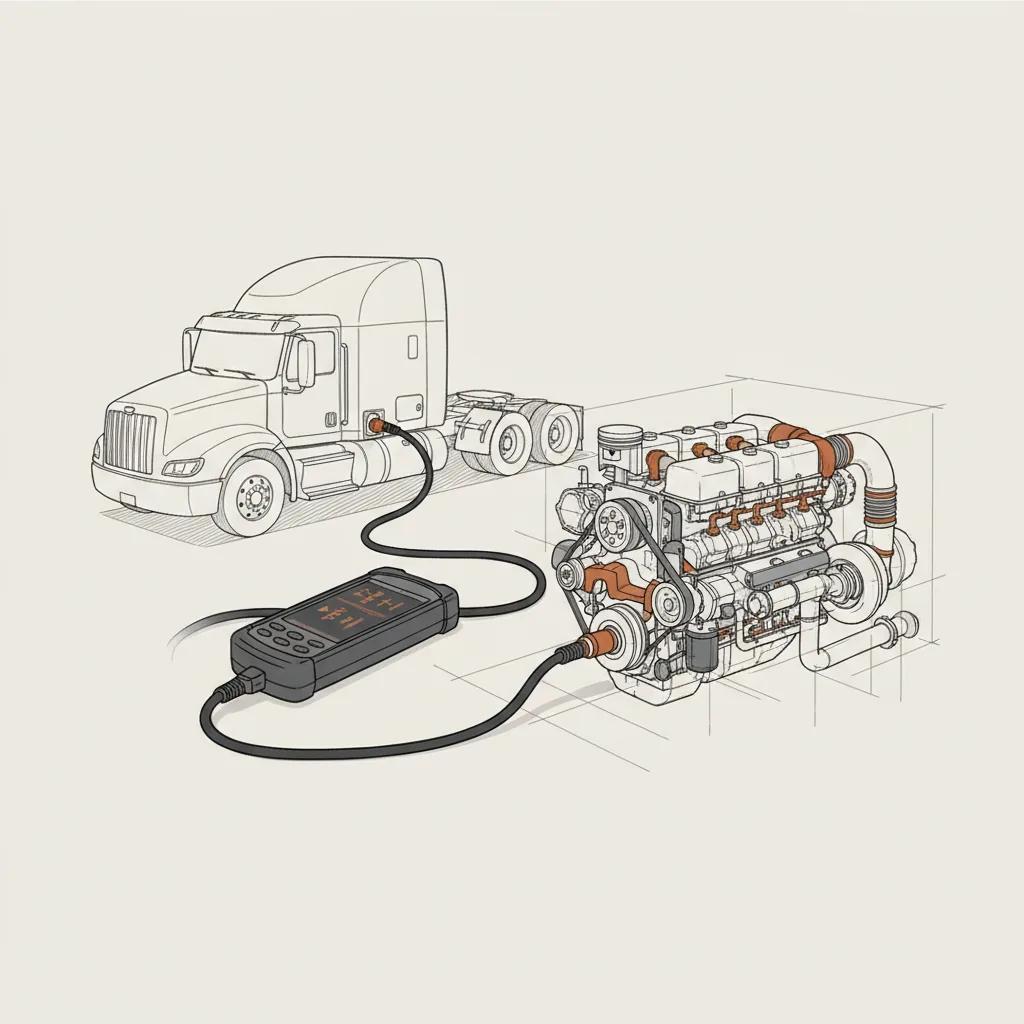
Modern diesel diagnostics speak in fault codes, not symptoms. Here's what a fleet owner should understand about the J1939 data bus, SPN/FMI codes, derate triggers, and choosing between a mobile call and a tow.
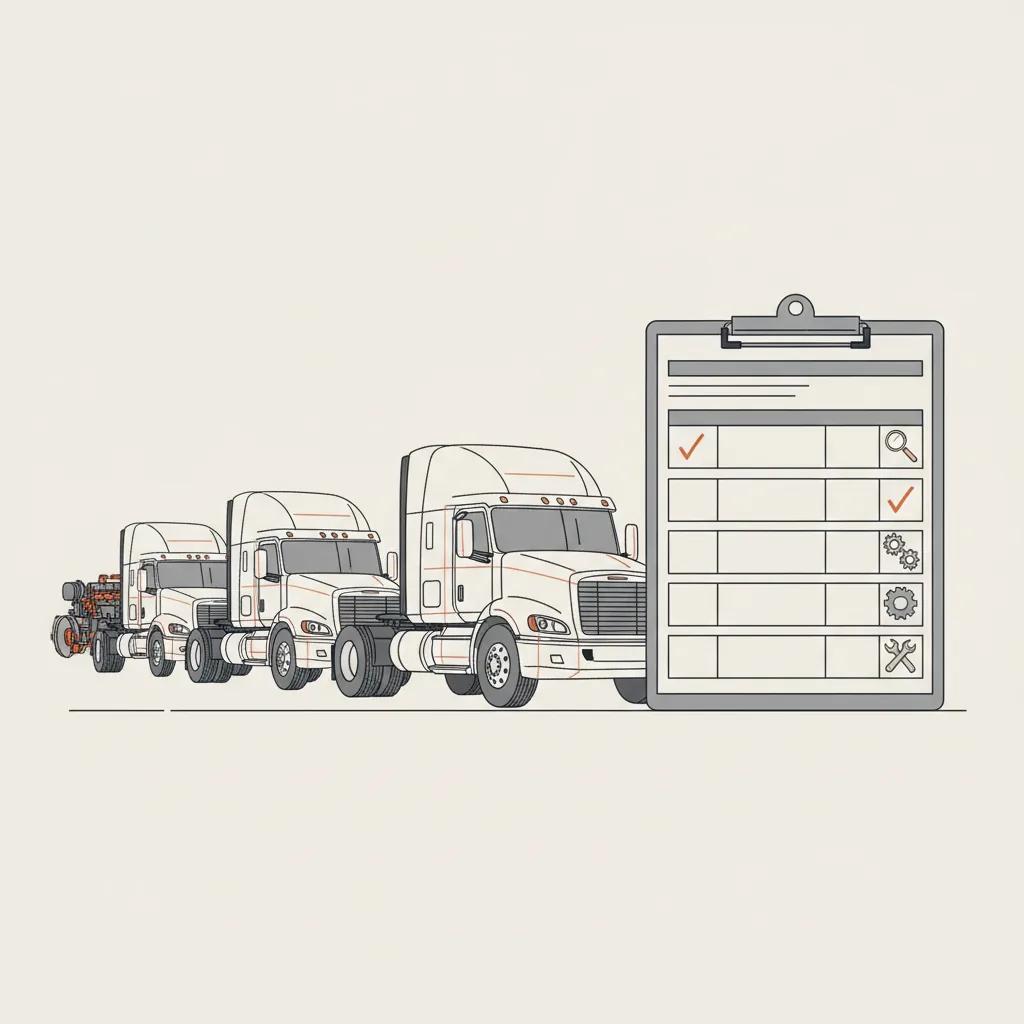
A practical preventive maintenance checklist organized by interval, not mileage. Build a repeatable PM program covering driver pre-trips, weekly yard checks, monthly inspections, and the annual DOT inspection while staying compliant with FMCSA rules.
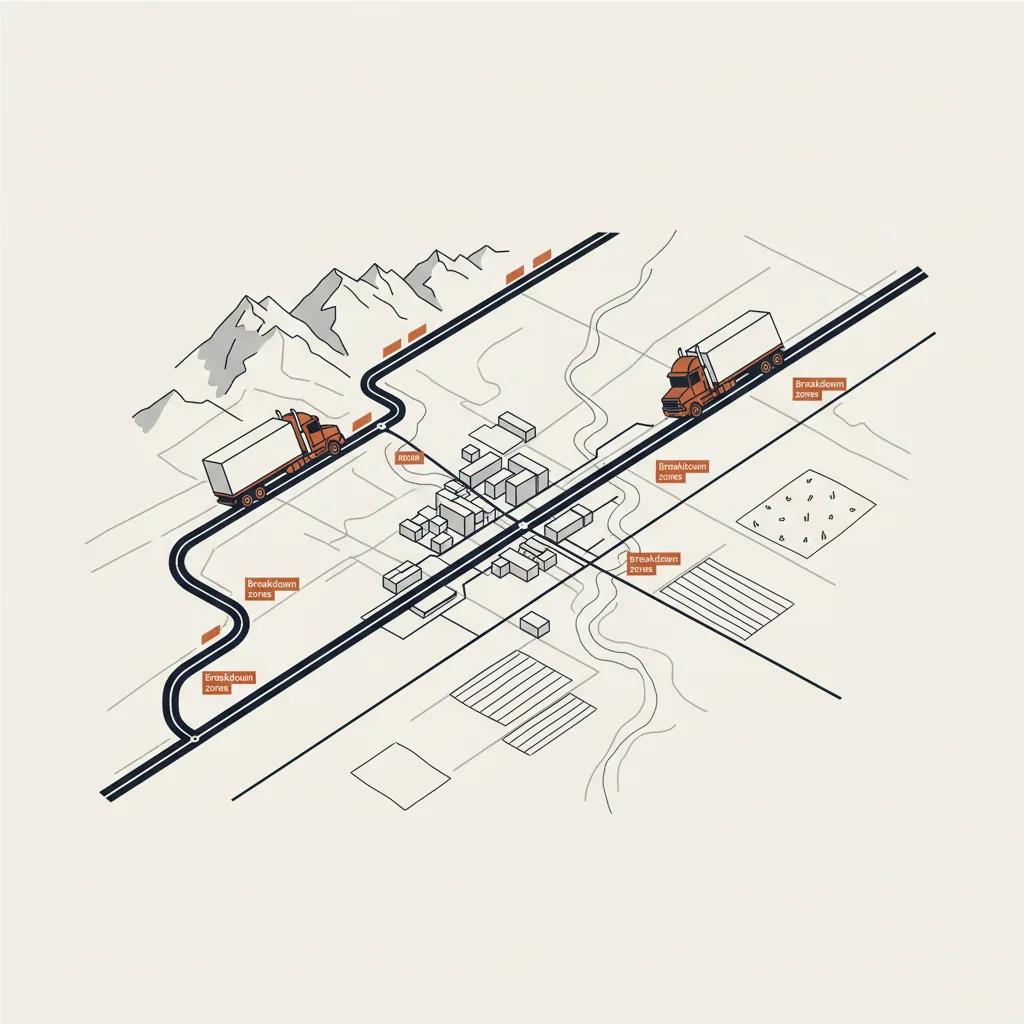
Trucks don't break down randomly near Sacramento. They fail in predictable spots: the Auburn grade on I-80, the hot valley stretch of I-5, and the stop-and-go interchange. Here's where, why, and how to prepare.
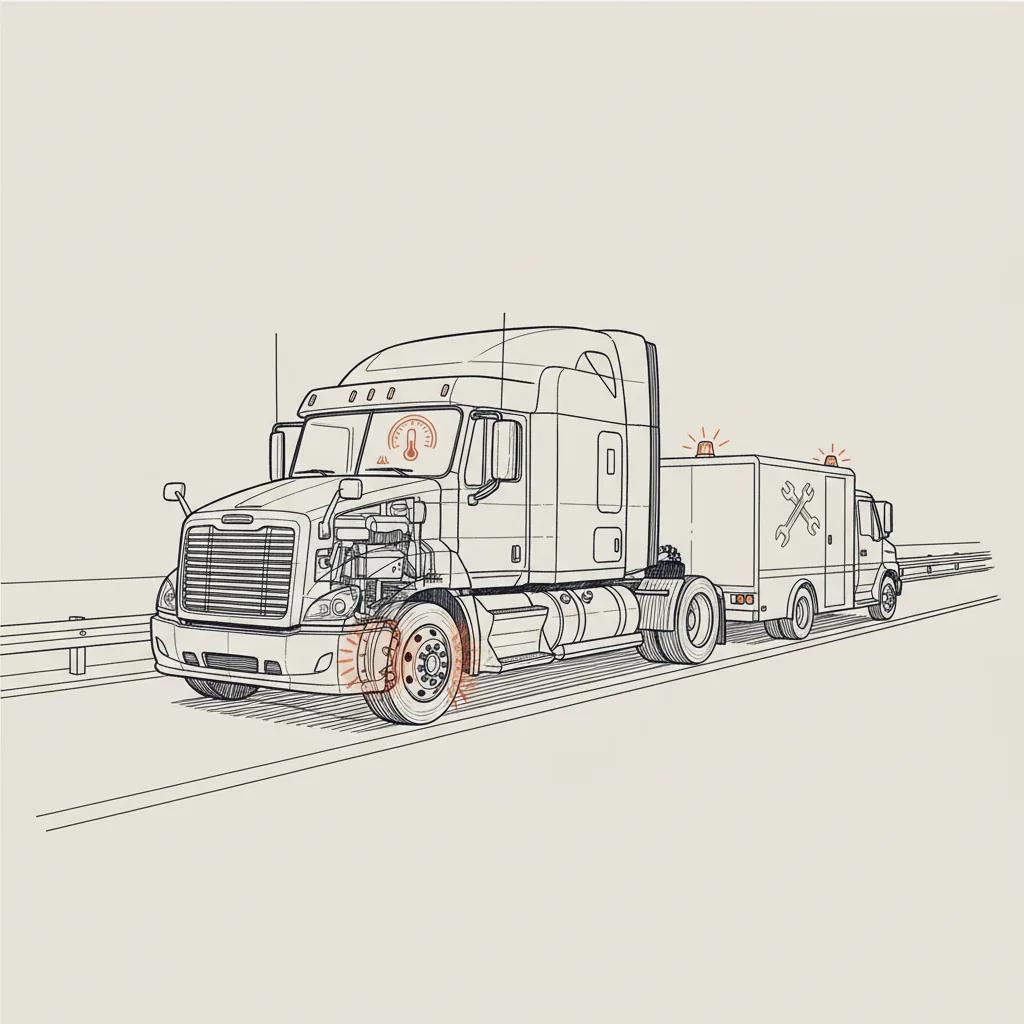
Five warning signs mean stop and call for roadside repair instead of pushing for the next exit: overheating, sudden air-pressure loss, low oil pressure, charging failure, and wheel-end trouble. Here's how to read each one on I-5 and I-80.